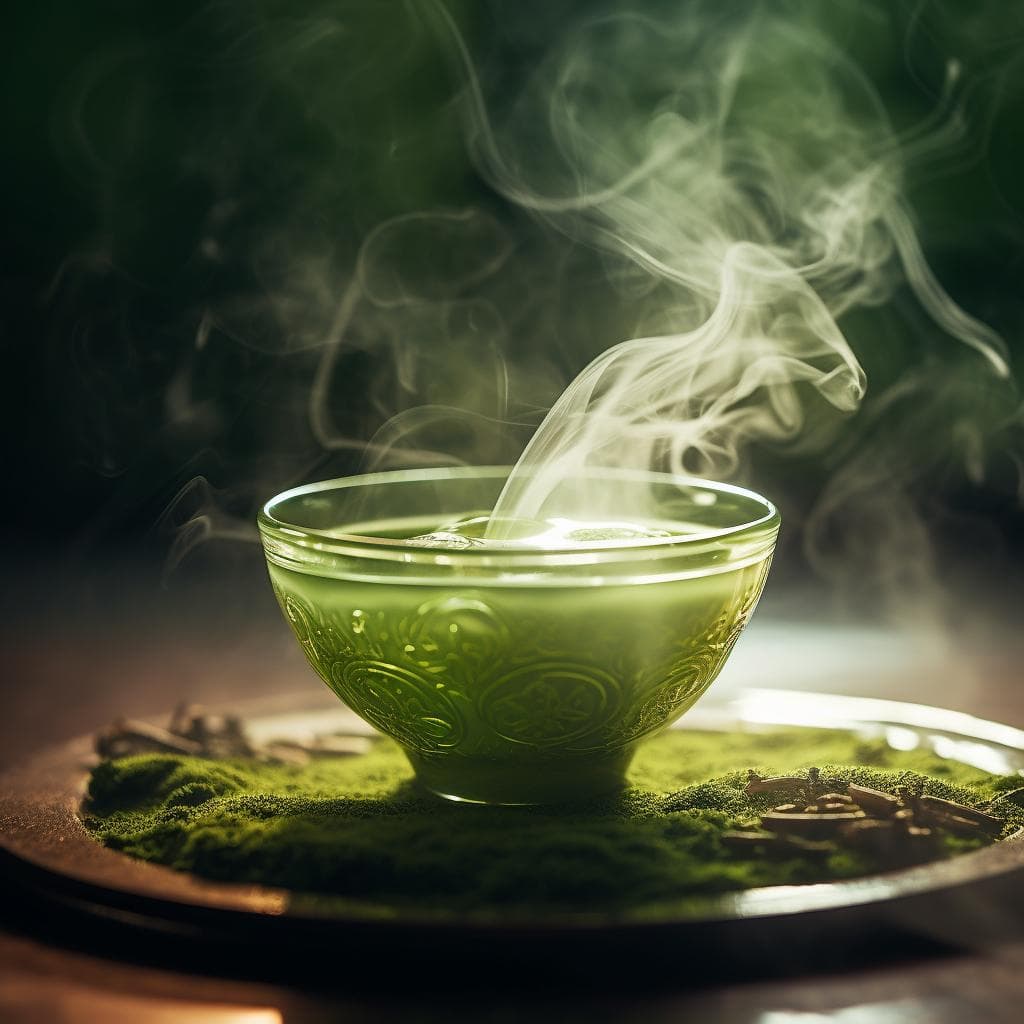

In today's health-conscious world, green tea has gained immense popularity as a beverage known for its numerous potential health benefits. But have you ever wondered if green tea contains caffeine? The answer might surprise you. In this article, we'll delve into the topic and explore the presence of caffeine in green tea, its effects on the body, and much more.
Understanding Caffeine
Before we dive into the specifics of green tea, let's first understand what caffeine is all about. Caffeine is a natural stimulant found in various plants, including coffee beans, cacao seeds, and tea leaves. It is known for its ability to stimulate the central nervous system, providing a temporary boost in energy and alertness.
We encounter caffeine in our daily lives through beverages like coffee, tea, energy drinks, and even certain soft drinks. But how does caffeine affect the body? Well, when we consume caffeine, it gets absorbed into the bloodstream and reaches the brain, where it blocks the action of a neurotransmitter called adenosine. This results in increased neural activity, making us feel more awake and focused.
Green Tea: A Brief Overview
Green tea, originating from China and with a rich cultural heritage, has become one of the most widely consumed beverages worldwide. It is made from the leaves of the Camellia sinensis plant and differs from other types of tea due to its minimal processing. The leaves are harvested, quickly heated to prevent oxidation, and then rolled and dried.
What sets green tea apart is its distinctive taste, delicate aroma, and vibrant green color. With its refreshing properties, it has become a popular choice for tea enthusiasts. But let's get to the burning question: Does green tea contain caffeine?
Caffeine Content in Green Tea
Yes, green tea does contain caffeine, albeit in varying amounts. The caffeine content in green tea depends on several factors, including the specific type of tea, growing conditions, and processing methods. On average, a cup of green tea may contain anywhere between 20 to 45 milligrams of caffeine, although some sources suggest it can go as high as 60 milligrams.
Compared to other caffeinated beverages like coffee, which can contain 95 milligrams or more of caffeine per cup, green tea falls on the lower end of the spectrum. However, it's important to note that these figures are approximate, as caffeine levels can vary from brand to brand and even batch to batch.
How Does Caffeine in Green Tea Affect the Body?
Now that we know green tea contains caffeine, let's explore how it affects our bodies. When consumed in moderation, the caffeine in green tea can provide several potential benefits. Firstly, it can increase alertness and enhance cognitive function, helping us stay focused and mentally sharp. This can be particularly beneficial during long workdays or study sessions.
Moreover, the caffeine in green tea has been found to boost metabolism and promote fat oxidation, making it a popular choice for those looking to maintain a healthy weight. It is also believed to have a mild diuretic effect, stimulating the kidneys to increase urine production and potentially aiding in flushing out toxins from the body.
However, it's essential to exercise caution and avoid excessive consumption of caffeine. Consuming large amounts of caffeine, whether from green tea or other sources, can lead to side effects such as increased heart rate, restlessness, anxiety, and even sleep disturbances. It's important to be mindful of your caffeine intake and listen to your body's signals.
The Role of Caffeine in Green Tea's Effects
While caffeine plays a significant role in the effects of green tea, it is not the sole contributor. Green tea contains various bioactive compounds, including polyphenols, catechins, and flavonoids, which have their own unique properties and benefits. These compounds work in synergy with caffeine to provide green tea's overall health-promoting effects.
One of the most noteworthy compounds in green tea is L-theanine. L-theanine is an amino acid that is found almost exclusively in tea leaves. It has been shown to have calming and relaxing effects on the brain, helping to reduce anxiety and promote a sense of mental clarity and focus. When combined with caffeine, L-theanine is believed to create a state of relaxed alertness, without the jitters or energy crashes commonly associated with caffeine consumption.
Furthermore, the interaction between caffeine and the antioxidant compounds in green tea may enhance the overall antioxidant activity. Antioxidants play a crucial role in protecting our cells from oxidative damage caused by free radicals, which are unstable molecules that can lead to various diseases and aging. The combination of caffeine and antioxidants in green tea may provide a potent defense against oxidative stress and support overall health and well-being.
Decaffeinated Green Tea: Is it Really Caffeine-Free?
If you're someone who is sensitive to caffeine or prefers to limit your caffeine intake, you may consider reaching for decaffeinated green tea. Decaffeination is a process that removes most of the caffeine from the tea leaves, making it a suitable option for those looking to enjoy the benefits of green tea without the stimulating effects of caffeine.
However, it's important to note that decaffeinated green tea is not entirely caffeine-free. The decaffeination process can remove a significant portion of caffeine, but small traces may still remain. The exact amount of residual caffeine can vary depending on the decaffeination method used and the brand of tea. Therefore, individuals who are highly sensitive to caffeine should exercise caution and check the label or consult with the manufacturer to ensure the product meets their needs.
Green Tea vs. Other Caffeinated Beverages
When it comes to choosing a caffeinated beverage, the decision between green tea and other options like coffee or black tea often arises. Each of these beverages has its own unique characteristics and potential health benefits, so it ultimately comes down to personal preference and individual needs.
While coffee is known for its higher caffeine content and bold flavor, green tea offers a more delicate and nuanced taste. Additionally, the combination of caffeine and L-theanine in green tea provides a different kind of alertness compared to the more immediate and intense energy boost from coffee. Some people find that the caffeine in green tea provides a smoother, more sustained release of energy without the jittery feeling.
Black tea, on the other hand, falls between green tea and coffee in terms of caffeine content. It undergoes a more extensive oxidation process than green tea, resulting in a stronger flavor profile. Black tea may contain higher levels of caffeine compared to green tea, but the exact amounts can vary depending on the brewing time and other factors.
Ultimately, the choice between green tea, coffee, or black tea depends on your taste preferences, desired caffeine intake, and how your body reacts to each beverage. It's worth experimenting with different options and listening to your body to find what works best for you.
Nutrition Snapshot
Use this table as a practical reference, not as a substitute for the label on a specific product. Brands, recipes, and serving sizes vary widely.
| Option | Typical calories | Sugar or carbs | What to check |
|---|---|---|---|
| Plain brewed tea | 0-5 | 0 g | 20-80 mg caffeine depending on type and brew strength |
| Sweetened or latte-style tea | 60-250+ | 8-35 g | Varies by milk, syrup, and serving size |
| Decaffeinated or herbal option | 0-10 | 0 g | Often caffeine-free, but check labels |
Comparison: Best Uses and Trade-Offs
| Choice | Best use | Main trade-off |
|---|---|---|
| Plain brewed tea | Low-calorie, antioxidant-rich, easy to control strength | Can still contain caffeine and tannins |
| Coffee | Higher caffeine and strong alertness effect | More likely to affect sleep or jitters in sensitive people |
| Sweet tea drinks | Convenient and flavorful | Added sugar can turn a healthy drink into dessert |
Serving Size Guidance
For most adults, 1-3 cups of plain tea per day is a reasonable starting range. Brew strength, caffeine tolerance, sleep schedule, and pregnancy status can change what is appropriate. If the drink is latte-style or sweetened, count the milk, syrup, and sugar as part of the serving.
Who Should Avoid or Limit It
This drink may not be a good fit for people who are pregnant, sensitive to caffeine, or avoiding alcohol unless the product details and medical guidance support it. If the beverage is being used to manage a condition rather than simply enjoyed as part of a meal, it is worth checking with a qualified healthcare professional.
Internal Reading Guide
For related context, see Master the Art of Green Tea Making: Secrets to Brewing the Perfect Cup, What are the different types of herbal tea and their benefits?. These articles help connect this topic with hydration, sugar intake, caffeine, digestion, and condition-specific drink choices.
Conclusion
Green tea, a beloved beverage with a rich history, does contain caffeine, albeit in varying amounts. The caffeine content in green tea, along with its unique combination of bioactive compounds, contributes to the overall effects and potential health benefits of this popular drink.
When consumed in moderation, the caffeine in green tea can provide a temporary boost in energy and alertness, as well as potential benefits such as improved cognitive function and metabolism. However, it's important to be mindful of your caffeine intake and listen to your body's signals to avoid any adverse effects.
Whether you choose green tea, coffee, or other caffeinated beverages, remember that individual preferences and needs play a crucial rolein making the right choice. It's always a good idea to consult with a healthcare professional or nutritionist to determine the optimal caffeine intake for your specific circumstances.
FAQs
1. Is green tea a good alternative to coffee for reducing caffeine intake? Green tea can be a suitable alternative to coffee for those looking to reduce their caffeine intake. While it still contains caffeine, the levels are generally lower compared to coffee. However, individual sensitivities to caffeine can vary, so it's essential to monitor your body's response and adjust accordingly.
2. Can green tea cause sleep disturbances? Green tea contains caffeine, which can interfere with sleep if consumed in large amounts or close to bedtime. If you're sensitive to caffeine or prone to sleep disturbances, it's advisable to avoid consuming green tea in the evening or opt for decaffeinated versions.
3. Does the caffeine content in green tea vary based on the brewing method? The caffeine content in green tea can be influenced by various factors, including the brewing method. Steeping green tea for a shorter duration or using cooler water temperature may result in a slightly lower caffeine extraction. However, these variations are generally minor and may not significantly affect the overall caffeine content.
4. Is it safe to drink green tea during pregnancy? While green tea is generally considered safe for consumption during pregnancy, it's recommended to limit the intake to moderate levels due to its caffeine content. High caffeine intake during pregnancy has been associated with potential risks, including increased risk of miscarriage or preterm birth. Consulting with a healthcare provider is advisable to determine the appropriate caffeine intake during pregnancy.
5. Can I still experience the benefits of green tea if I choose decaffeinated versions? Decaffeinated green tea retains many of the other beneficial compounds found in regular green tea, such as antioxidants and polyphenols. While the caffeine content may be significantly reduced, these compounds can still contribute to the potential health benefits of green tea, making decaffeinated versions a viable option for those seeking to minimize caffeine intake.
Remember, moderation is key when it comes to caffeine consumption. Whether you choose to enjoy a cup of green tea or explore other beverages, being aware of your body's response and making informed choices will help you strike a balance between enjoying your favorite beverages and maintaining overall well-being.