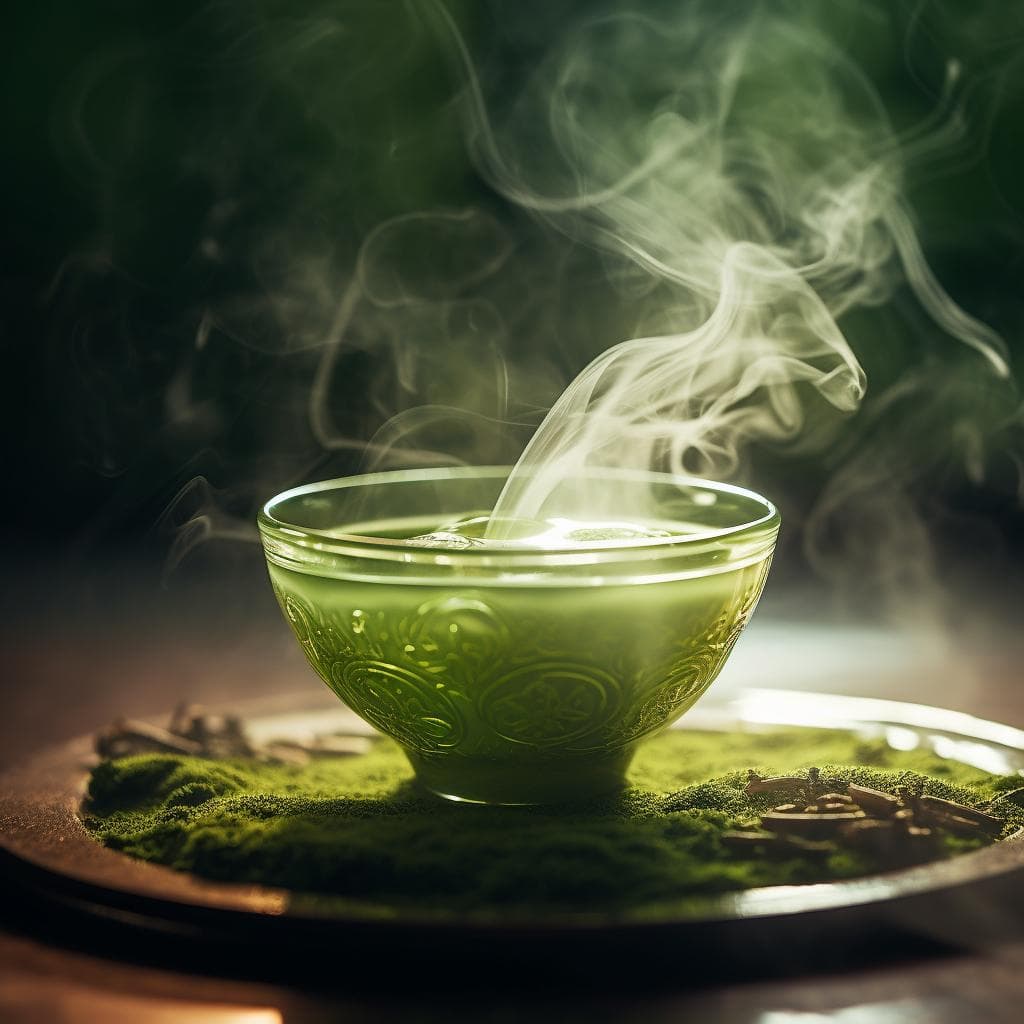

Tea and coffee are two popular beverages enjoyed by millions around the world. People often debate which one is healthier, with black tea and coffee being popular choices. In this article, we will delve into the question: Is black tea better than coffee?
Understanding Black Tea and Coffee
Black tea is made from the leaves of the Camellia sinensis plant and undergoes a fermentation process. On the other hand, coffee comes from the seeds of the Coffea plant and is available in various types, such as Arabica and Robusta. One key difference between the two is their caffeine content, which we will explore further.
Health Benefits of Black Tea
Black tea offers a range of health benefits. It contains antioxidants called catechins, which may have positive effects on cardiovascular health. Regular consumption of black tea has also been associated with improved mental alertness and cognitive function. Additionally, black tea may aid in weight management and help prevent diabetes.
Health Benefits of Coffee
Coffee, known for its energizing properties, provides benefits as well. The caffeine in coffee can boost energy levels and reduce fatigue. It has also been shown to improve mood and enhance mental performance. Furthermore, studies suggest that coffee may have protective effects on the liver and reduce the risk of certain diseases.
Comparing the Effects of Caffeine in Black Tea and Coffee
Caffeine is a central nervous system stimulant found in both black tea and coffee. However, the effects can differ due to variations in caffeine absorption and metabolism. The impact on energy levels, alertness, and sleep quality may vary between the two beverages. It is essential to understand how caffeine affects your body individually.
Side Effects and Risks of Consuming Black Tea and Coffee
While moderate consumption of black tea and coffee is generally safe for most individuals, excessive caffeine intake can lead to negative effects. It can cause sleep disturbances, nervousness, and increased heart rate. Furthermore, both beverages can potentially aggravate digestive issues and acid reflux. Considerations based on specific health conditions are necessary.
Factors to Consider When Choosing Between Black Tea and Coffee
The choice between black tea and coffee ultimately comes down to personal preference, health goals, and individual needs. If you enjoy the taste and benefits of black tea, it might be a better choice for you. However, coffee enthusiasts relish its unique flavor and energizing effects. Moderation and overall dietary choices also play a role in making the right selection.
Alternative Options to Black Tea and Coffee
If neither black tea nor coffee seems suitable, there are alternative beverage choices to consider. Herbal teas offer various health benefits and come in a wide range of flavors. Other energizing beverages, such as green tea or matcha, contain less caffeine but still provide a natural boost. Maintaining a balanced and varied beverage intake is essential for overall well-being.
Addressing Common Misconceptions about Black Tea and Coffee
Several misconceptions exist regarding caffeine content and addiction, hydration, and bone health. It is important to clarify these misunderstandings. While caffeine consumption should be moderate, it does not necessarily lead to addiction. Both black tea and coffee can contribute to daily hydration goals, contrary to common beliefs. Concerns about their impact on bone health are often unfounded when consumed in moderation.
Nutrition Snapshot
Use this table as a practical reference, not as a substitute for the label on a specific product. Brands, recipes, and serving sizes vary widely.
| Option | Typical calories | Sugar or carbs | What to check |
|---|---|---|---|
| Plain brewed tea | 0-5 | 0 g | 20-80 mg caffeine depending on type and brew strength |
| Sweetened or latte-style tea | 60-250+ | 8-35 g | Varies by milk, syrup, and serving size |
| Decaffeinated or herbal option | 0-10 | 0 g | Often caffeine-free, but check labels |
Comparison: Best Uses and Trade-Offs
| Choice | Best use | Main trade-off |
|---|---|---|
| Plain brewed tea | Low-calorie, antioxidant-rich, easy to control strength | Can still contain caffeine and tannins |
| Coffee | Higher caffeine and strong alertness effect | More likely to affect sleep or jitters in sensitive people |
| Sweet tea drinks | Convenient and flavorful | Added sugar can turn a healthy drink into dessert |
Serving Size Guidance
For most adults, 1-3 cups of plain tea per day is a reasonable starting range. Brew strength, caffeine tolerance, sleep schedule, and pregnancy status can change what is appropriate. If the drink is latte-style or sweetened, count the milk, syrup, and sugar as part of the serving.
Who Should Avoid or Limit It
This drink may not be a good fit for people who are pregnant, sensitive to caffeine, or avoiding alcohol unless the product details and medical guidance support it. If the beverage is being used to manage a condition rather than simply enjoyed as part of a meal, it is worth checking with a qualified healthcare professional.
Internal Reading Guide
For related context, see Does Green Tea Have Caffeine?, Master the Art of Green Tea Making: Secrets to Brewing the Perfect Cup, What are the different types of herbal tea and their benefits?. These articles help connect this topic with hydration, sugar intake, caffeine, digestion, and condition-specific drink choices.
How to Use This Advice in Real Life
The most useful way to judge a health-focused drink is to look at the whole pattern around it. A drink that is helpful with breakfast can be less helpful if it becomes a large sweetened serving between meals. A beverage with antioxidants can still be a poor daily choice if it carries a heavy sugar load. A drink that is fine for one person may be inappropriate for someone with diabetes, kidney disease, reflux, pregnancy-related restrictions, or medication interactions.
A simple approach is to ask three questions before making it a habit. First, what does this drink replace? If it replaces soda, energy drinks, or heavily sweetened coffee drinks, it may be a clear improvement. Second, what does the label show? Calories, added sugar, sodium, caffeine, and serving size matter more than front-label health language. Third, how does your body respond? Digestion, sleep, blood sugar, blood pressure, and appetite are practical signals that should shape the routine.
For health-focused drinks, the best results usually come from consistency and moderation rather than aggressive use. Drinking more does not guarantee more benefit. In many cases, the healthier pattern is a small serving with a meal, plain water between meals, and whole foods as the main source of fiber, protein, vitamins, and minerals.
Editorial Notes for Better Decisions
When evaluating is black tea better than coffee, focus on how the drink fits into a normal day rather than treating it as a shortcut. The healthiest version is usually unsweetened, portion-aware, and paired with meals or snacks that provide fiber, protein, and healthy fats. That context matters because beverages are easy to overconsume, and labels can make small nutritional differences sound more important than they are.
It also helps to compare the drink with the choice it replaces. Replacing soda, sweet tea, or a large dessert-style coffee drink is different from replacing plain water or whole fruit. The better option depends on your health goals, medical background, taste preferences, and how consistently you can maintain the habit.
Practical Examples and Context
For everyday use, is black tea better than coffee should be judged by the full serving, not only by the headline ingredient. A small unsweetened serving can fit comfortably into a balanced routine, while a large bottled version with added sugar, sodium, syrup, or cream can change the nutrition profile quickly. This is why label reading, portion control, and personal tolerance matter as much as the drink category.
One useful habit is to plan when the drink makes the most sense. Some beverages work better with meals because food slows digestion and improves satisfaction. Others are better earlier in the day because of caffeine. Drinks used around exercise, travel, sleep, or medical conditions should be matched to the situation rather than consumed automatically.
If you are comparing options, start with the simplest version first. Choose plain, unsweetened, or low-sodium products when possible, then add flavor intentionally with fruit, herbs, spices, or a measured amount of milk. This approach keeps the drink enjoyable without letting extra ingredients overwhelm the original health goal.
Conclusion
In the debate between black tea and coffee, there is no definitive answer as to which one is better. Both beverages offer unique health benefits and can be enjoyed as part of a balanced lifestyle. Ultimately, the choice comes down to personal preference, health considerations, and individual needs. So, whether you savor a cup of black tea or enjoy the bold flavor of coffee, indulge in moderation and find what works best for you.
FAQs
Is black tea completely caffeine-free?
No, black tea contains caffeine, although in lesser amounts compared to coffee. Approximate values can vary based on brewing methods and other factors.
Can black tea help with weight loss?
While black tea may support weight management efforts, it is not a magic solution for weight loss. Incorporating black tea into a balanced diet and regular exercise is essential.
Can coffee harm the liver?
Moderate coffee consumption has been linked to potential benefits for liver health. However, excessive consumption or combining coffee with unhealthy habits may have negative effects.
Can I drink black tea if I have acid reflux?
Some individuals with acid reflux find that black tea can worsen symptoms. It is advisable to monitor your personal tolerance and consider alternatives if needed.
Are there any potential interactions between black tea or coffee and medications?
Both black tea and coffee can interact with certain medications. It is advisable to consult your healthcare professional to determine any potential interactions based on your specific medication regimen.