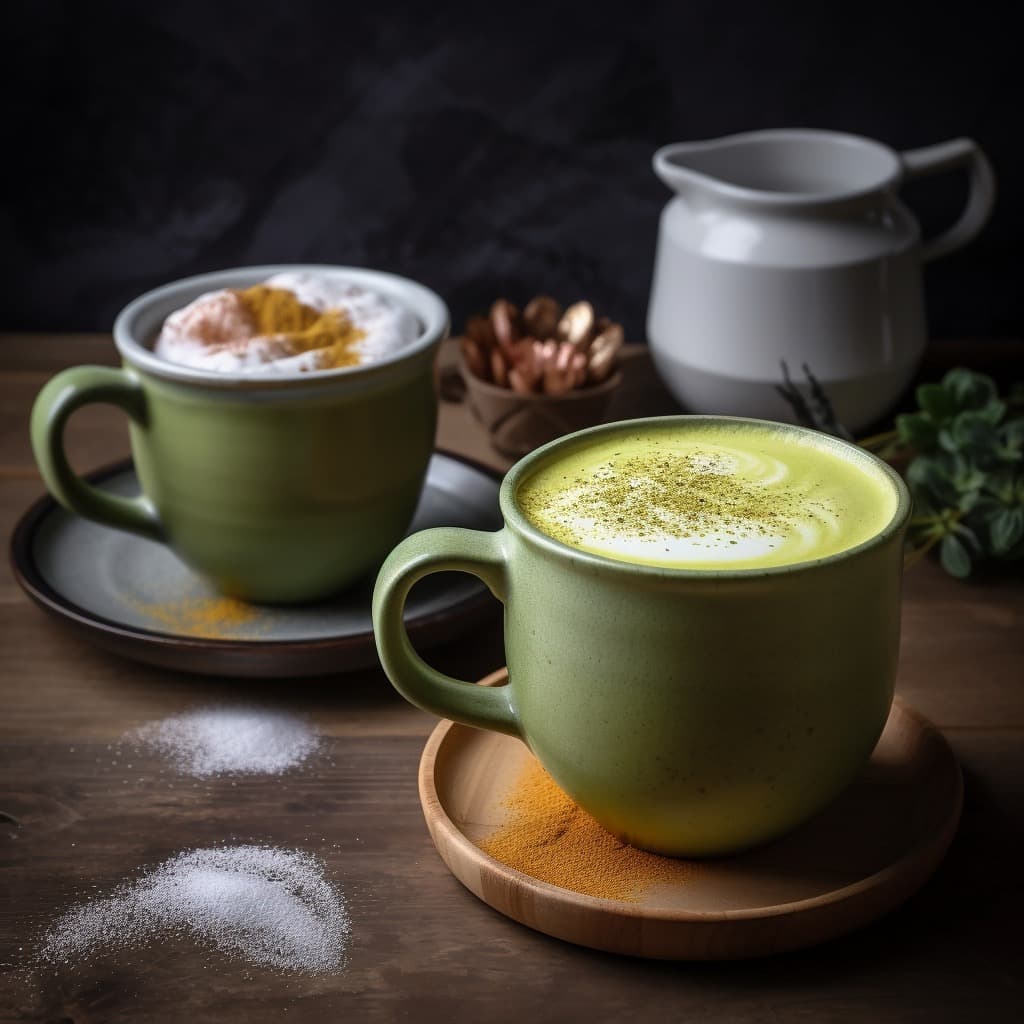
Coffee is a beloved beverage enjoyed by millions around the world. However, for those looking for alternatives to traditional coffee or seeking to reduce their caffeine intake, there are plenty of healthy and delicious options available. In this article, we will explore various hot beverage alternatives to coffee that not only provide unique flavors but also offer health benefits.
Herbal Tea
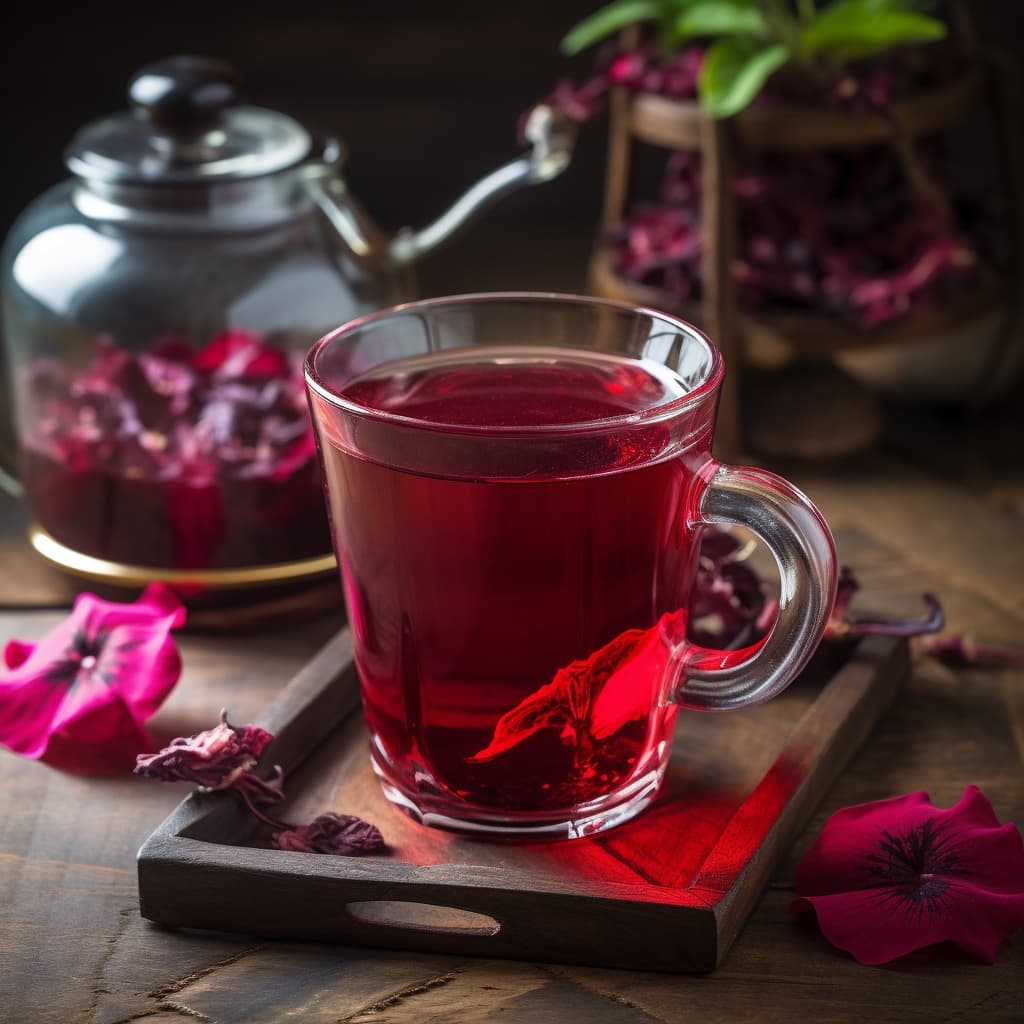
Herbal teas are a popular choice for those seeking a caffeine-free hot beverage. They are made by steeping herbs, flowers, or fruits in hot water. Herbal teas come in a wide range of flavors, from soothing chamomile to refreshing peppermint. Each herbal tea has its own set of health benefits, such as calming properties, digestive aid, or antioxidant-rich content. Explore the world of herbal teas and find the flavors and benefits that suit your preferences.
Green Tea
Green tea is a popular hot beverage that offers a more moderate caffeine content compared to coffee. It is made from the leaves of the Camellia sinensis plant and is known for its high concentration of antioxidants. Green tea has been associated with numerous health benefits, including improved brain function, reduced risk of heart disease, and potential weight management support. Enjoy a cup of hot green tea and savor its distinct flavor and potential health perks.
Matcha Latte
Matcha latte has gained popularity in recent years as a trendy coffee alternative. Matcha is a type of powdered green tea that offers a unique, vibrant flavor and a boost of antioxidants. Matcha latte is made by whisking matcha powder with hot water and then adding steamed milk. It provides a creamy and frothy texture with a delightful taste. Matcha latte not only offers a caffeine boost but also promotes relaxation, detoxification, and mental clarity.
Golden Milk (Turmeric Latte)
Golden milk, also known as turmeric latte, is a warming and vibrant hot beverage. It is made by combining turmeric, a spice known for its anti-inflammatory properties, with warm milk (plant-based or dairy) and other spices such as cinnamon and ginger. Golden milk provides a rich and aromatic flavor along with potential health benefits, including immune support and digestive wellness. Indulge in a comforting cup of golden milk and enjoy its unique taste and potential healing properties.
Dandelion Root Coffee
Dandelion root coffee is a caffeine-free coffee alternative made from roasted dandelion roots. It offers a dark and robust flavor reminiscent of traditional coffee but without the caffeine. Dandelion root coffee is known for its potential liver-detoxifying properties and may aid in digestion. If you're looking for a coffee-like experience without the caffeine, dandelion root coffee can be an excellent choice.
Hot Chocolate (Cacao)
Hot chocolate made from pure cacao powder or high-quality dark chocolate can be a delightful and indulgent alternative to coffee. Cacao is rich in antioxidants and may provide mood-boosting effects. Opt for unsweetened cacao powder or dark chocolate with minimal added sugars for a healthier option. Prepare a warm cup of hot chocolate and savor its rich and comforting taste.
Nutrition Snapshot
Use this table as a practical reference, not as a substitute for the label on a specific product. Brands, recipes, and serving sizes vary widely.
| Option | Typical calories | Sugar or carbs | What to check |
|---|---|---|---|
| Plain brewed tea | 0-5 | 0 g | 20-80 mg caffeine depending on type and brew strength |
| Sweetened or latte-style tea | 60-250+ | 8-35 g | Varies by milk, syrup, and serving size |
| Decaffeinated or herbal option | 0-10 | 0 g | Often caffeine-free, but check labels |
Comparison: Best Uses and Trade-Offs
| Choice | Best use | Main trade-off |
|---|---|---|
| Plain brewed tea | Low-calorie, antioxidant-rich, easy to control strength | Can still contain caffeine and tannins |
| Coffee | Higher caffeine and strong alertness effect | More likely to affect sleep or jitters in sensitive people |
| Sweet tea drinks | Convenient and flavorful | Added sugar can turn a healthy drink into dessert |
Serving Size Guidance
For most adults, 1-3 cups of plain tea per day is a reasonable starting range. Brew strength, caffeine tolerance, sleep schedule, and pregnancy status can change what is appropriate. If the drink is latte-style or sweetened, count the milk, syrup, and sugar as part of the serving.
Who Should Avoid or Limit It
This drink may not be a good fit for people who are pregnant, sensitive to caffeine, or avoiding alcohol unless the product details and medical guidance support it. If the beverage is being used to manage a condition rather than simply enjoyed as part of a meal, it is worth checking with a qualified healthcare professional.
Internal Reading Guide
For related context, see Does Green Tea Have Caffeine?, Master the Art of Green Tea Making: Secrets to Brewing the Perfect Cup, What are the different types of herbal tea and their benefits?. These articles help connect this topic with hydration, sugar intake, caffeine, digestion, and condition-specific drink choices.
How to Use This Advice in Real Life
The most useful way to judge a health-focused drink is to look at the whole pattern around it. A drink that is helpful with breakfast can be less helpful if it becomes a large sweetened serving between meals. A beverage with antioxidants can still be a poor daily choice if it carries a heavy sugar load. A drink that is fine for one person may be inappropriate for someone with diabetes, kidney disease, reflux, pregnancy-related restrictions, or medication interactions.
A simple approach is to ask three questions before making it a habit. First, what does this drink replace? If it replaces soda, energy drinks, or heavily sweetened coffee drinks, it may be a clear improvement. Second, what does the label show? Calories, added sugar, sodium, caffeine, and serving size matter more than front-label health language. Third, how does your body respond? Digestion, sleep, blood sugar, blood pressure, and appetite are practical signals that should shape the routine.
For health-focused drinks, the best results usually come from consistency and moderation rather than aggressive use. Drinking more does not guarantee more benefit. In many cases, the healthier pattern is a small serving with a meal, plain water between meals, and whole foods as the main source of fiber, protein, vitamins, and minerals.
Conclusion
Exploring healthy coffee alternatives can open up a world of new and exciting hot beverages. Whether you choose herbal teas, green tea, matcha latte, golden milk, dandelion root coffee, or hot chocolate, each option offers its unique flavors and potential health benefits. Embrace the variety and enjoy the warmth and comfort of these delightful beverages. Expand your hot beverage repertoire and discover new favorites.
FAQ
What is the main benefit?
The main benefit is that it can make a healthy beverage routine easier to follow. Depending on the drink, it may contribute hydration, antioxidants, minerals, probiotics, or simply a lower-sugar alternative to soda and sweetened bottled drinks. The exact benefit depends on the ingredients, serving size, and the rest of the diet.
How much should I drink?
Most people should start with a modest serving instead of a large bottle. For juice, 4-8 ounces is usually a practical range. For plain tea, coffee alternatives, infused water, or unsweetened drinks, 1-3 servings can fit many routines, but caffeine, sodium, sugar, and medical conditions should guide the final amount.
Can this drink help with weight management?
It can support weight management only when it replaces higher-calorie drinks or helps you stick with balanced meals. It will not cause meaningful fat loss on its own. Watch added sugar, oversized portions, creamy additions, and frequent snacking alongside the drink.
Can I drink it every day?
Many people can include it daily in moderate amounts, but variety is still useful. Rotating water, unsweetened tea, whole fruits, vegetables, and protein-rich foods prevents one drink from carrying too much of the nutrition burden.
Who should be careful with this drink?
People with diabetes, kidney disease, reflux, allergies, pregnancy-related restrictions, medication interactions, or caffeine sensitivity should be more cautious. The safest choice depends on the exact product and personal health context.
Final Practical Checklist
Before making a drink a daily habit, confirm that the serving size fits your goals, the drink is not quietly adding excess sugar or sodium, and the choice works with your medical context. Choose unsweetened versions when possible, keep portions measured, and use whole foods to supply the fiber and protein that beverages often lack.
The most sustainable routine is usually simple: water as the default, thoughtful drinks with meals, and special beverages used for flavor or targeted nutrition rather than as a cure-all. That pattern keeps possible benefits in perspective while reducing the most common downsides.
Practical Label Check
Read the serving size before judging calories, sugar, sodium, or caffeine. Many bottled drinks contain more than one serving, so the numbers on the label may need to be doubled. For daily use, the best options are usually unsweetened, modest in portion size, and easy to fit alongside meals that provide fiber, protein, and healthy fats.
For coffee alternatives, also separate the base drink from the add-ins. Plain green tea, roasted chicory, or herbal tea can be very light, while the same drink prepared as a latte with syrup can become a high-sugar beverage. If the goal is less caffeine, choose naturally caffeine-free options in the afternoon and reserve matcha or green tea for earlier in the day.