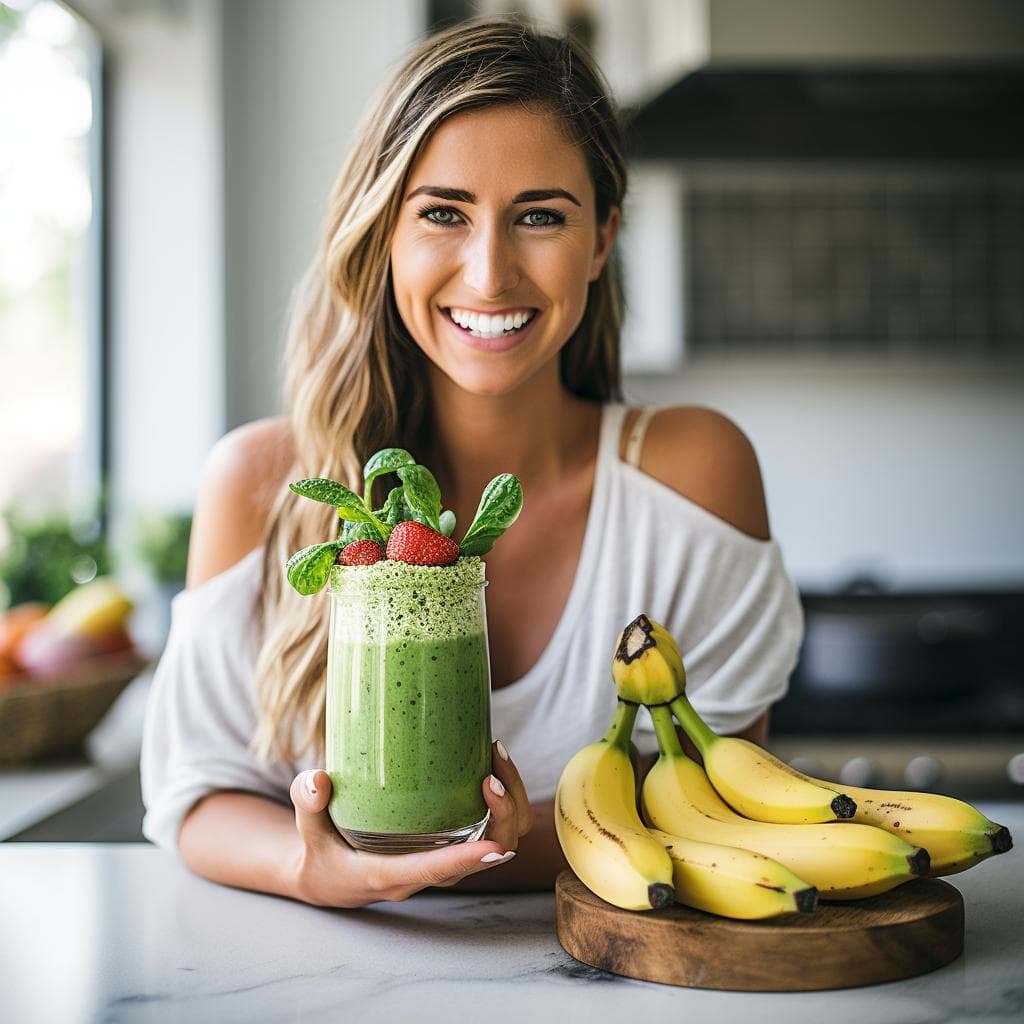

Kombucha has become increasingly popular in recent years, touted for its numerous health benefits and unique flavor profiles. This probiotic elixir, made from fermented tea, has captured the attention of health-conscious individuals worldwide. In this article, we will delve into the world of Kombucha and explore its potential to improve your overall well-being.
Understanding Kombucha
What is Kombucha?
Kombucha is a traditionally fermented beverage made from black or green tea, sugar, and a SCOBY (symbiotic culture of bacteria and yeast). The SCOBY consumes the sugar during the fermentation process, resulting in a drink that is both tart and slightly fizzy.
A Brief History
Kombucha's origins can be traced back over 2,000 years to China, where it was regarded as a powerful health elixir. It later spread to Russia and Eastern Europe before gaining popularity in the Western world.
The Health Benefits of Kombucha
Boosting Gut Health with Probiotics
Kombucha is rich in probiotics, beneficial bacteria that support a healthy gut microbiome. These probiotics contribute to improved digestion, enhanced nutrient absorption, and a stronger immune system. By incorporating Kombucha into your routine, you can help maintain a balanced and thriving gut.
The Power of Antioxidants
Kombucha is also packed with antioxidants, which help combat harmful free radicals in the body. Antioxidants protect cells from damage and may contribute to improved overall health and longevity.
Strengthening the Immune System
The combination of probiotics and antioxidants in Kombucha can work together to boost the immune system. A strong immune system helps defend against infections and keeps the body functioning optimally.
Kombucha and Digestive Health
Nurturing a Healthy Gut Microbiome
The probiotic content of Kombucha plays a crucial role in cultivating a diverse and healthy gut microbiome. A balanced gut microbiome is essential for maintaining good digestive health and minimizing the risk of digestive issues such as bloating and constipation.
Alleviating Digestive Discomfort
Many individuals find that regularly consuming Kombucha helps alleviate common digestive discomforts. The natural effervescence and acidity of Kombucha can provide relief from bloating and promote proper digestion.
Kombucha and Detoxification
Supporting Liver Health
Kombucha has been touted for its potential to support liver health and aid in detoxification. The combination of organic acids, enzymes, and antioxidants in Kombucha may play a role in promoting healthy liver function.
Assisting Natural Detoxification Processes
Our bodies have natural detoxification mechanisms, and Kombucha can complement these processes. By consuming Kombucha, you provide your body with additional nutrients and compounds that support its natural detoxification abilities.
Kombucha and Overall Well-being
Nurturing Mental Health
The gut-brain connection suggests that a healthy gut microbiome can positively influence mental health. Given Kombucha's ability to support gut health, it may indirectly contribute to improved mood and reduced stress levels.
Boosting Energy and Vitality
Kombucha contains small amounts of caffeine and B vitamins, which can provide a gentle energy boost without the crash associated with coffee or energy drinks. Additionally, the overall improvement in digestion and nutrient absorption facilitated by Kombucha can result in increased vitality and well-being.
Incorporating Kombucha into a Healthy Lifestyle
Finding Your Ideal Serving Size
Kombucha can be enjoyed in moderation as part of a balanced diet. It is recommended to start with smaller servings (4-8 ounces) and gradually increase based on personal preference and tolerance.
Creative Ways to Enjoy Kombucha
Besides consuming Kombucha as a standalone beverage, it can be incorporated into various recipes and creative concoctions. From salad dressings to smoothies and cocktails, there are endless possibilities to explore.
Precautions and Side Effects
Although rare, some individuals may experience side effects like digestive discomfort or allergic reactions to Kombucha. It is advisable to start with small amounts and monitor your body's response. Consulting with a healthcare professional is recommended, especially for pregnant women, individuals with compromised immune systems, or those on medication.
Making Kombucha at Home
Brewing Your Own Kombucha
For those with an adventurous spirit, making Kombucha at home can be a rewarding experience. Brewing your own allows you to customize flavors and experiment with different tea blends. Ensure you follow proper hygiene practices and use quality ingredients.
Essential Equipment and Ingredients
To make Kombucha at home, you will need a SCOBY, good-quality organic tea, sugar, a brewing vessel, and some basic kitchen utensils. There are many resources and starter kits available to guide you through the process.
The Future of Kombucha
As interest in Kombucha continues to grow, the market is witnessing an influx of new and innovative flavors and variations. From fruit-infused Kombuchas to kombucha-based cocktails, there is something to suit every taste preference. Additionally, ongoing research is uncovering even more potential health benefits associated with Kombucha consumption.
Nutrition Snapshot
Use this table as a practical reference, not as a substitute for the label on a specific product. Brands, recipes, and serving sizes vary widely.
| Option | Typical calories | Sugar or carbs | What to check |
|---|---|---|---|
| Plain probiotic drink | 20-80 | 0-8 g | Look for live cultures and low added sugar |
| Kombucha | 30-120 | 4-20 g | May contain caffeine and trace alcohol |
| Sweetened yogurt drink | 100-250+ | 12-35 g | Higher calories and added sugar are common |
Comparison: Best Uses and Trade-Offs
| Choice | Best use | Main trade-off |
|---|---|---|
| Fermented drink | May provide live cultures and organic acids | Benefits depend on strain, dose, and product quality |
| Probiotic supplement | More controlled strain and CFU information | Can be expensive and still may not fit every person |
| Fermented foods | Adds nutrients and texture to meals | Sodium, sugar, or histamine can be concerns |
Serving Size Guidance
Start with a small serving, such as 4-8 ounces, and see how your digestion responds. Choose products with low added sugar and clear culture information. More is not automatically better, especially for people who experience bloating or are medically vulnerable.
Who Should Avoid or Limit It
This drink may not be a good fit for people who are pregnant, sensitive to caffeine, or avoiding alcohol unless the product details and medical guidance support it. If the beverage is being used to manage a condition rather than simply enjoyed as part of a meal, it is worth checking with a qualified healthcare professional.
Internal Reading Guide
For related context, see Are Probiotics Good for You?, The Science Behind Probiotic Drinks and Their Potential Health Benefits. These articles help connect this topic with hydration, sugar intake, caffeine, digestion, and condition-specific drink choices.
How to Use This Advice in Real Life
The most useful way to judge a health-focused drink is to look at the whole pattern around it. A drink that is helpful with breakfast can be less helpful if it becomes a large sweetened serving between meals. A beverage with antioxidants can still be a poor daily choice if it carries a heavy sugar load. A drink that is fine for one person may be inappropriate for someone with diabetes, kidney disease, reflux, pregnancy-related restrictions, or medication interactions.
A simple approach is to ask three questions before making it a habit. First, what does this drink replace? If it replaces soda, energy drinks, or heavily sweetened coffee drinks, it may be a clear improvement. Second, what does the label show? Calories, added sugar, sodium, caffeine, and serving size matter more than front-label health language. Third, how does your body respond? Digestion, sleep, blood sugar, blood pressure, and appetite are practical signals that should shape the routine.
For health-focused drinks, the best results usually come from consistency and moderation rather than aggressive use. Drinking more does not guarantee more benefit. In many cases, the healthier pattern is a small serving with a meal, plain water between meals, and whole foods as the main source of fiber, protein, vitamins, and minerals.
Conclusion
Kombucha, with its probiotic and antioxidant properties, offers a range of potential health benefits. From supporting gut health to aiding in detoxification and promoting overall well-being, this fermented elixir is a tasty addition to a healthy lifestyle. Remember to start with small servings and listen to your body's response. So why not give Kombucha a try and embark on a journey towards improved health and vitality?
FAQs (Frequently Asked Questions)
Can I drink Kombucha every day?
Yes, you can incorporate Kombucha into your daily routine. However, it's essential to listen to your body and ensure it agrees with you. Start with smaller servings and gradually increase as tolerated.
Can Kombucha help with weight loss?
While Kombucha alone is unlikely to be a weight loss solution, it can be a beneficial addition to a well-balanced diet and active lifestyle. Its probiotic content may support gut health, which can play a role in weight management.
Can I make Kombucha with herbal tea?
While herbal tea can be used to flavor Kombucha, black or green tea is generally preferred for the brewing process. The caffeine and other compounds in these teas support the fermentation and development of the SCOBY.
Is Kombucha safe during pregnancy?
It is advisable for pregnant women to consult their healthcare provider before consuming Kombucha. The caffeine content and the potential for bacterial contamination can be a concern, especially during pregnancy.
Is commercial Kombucha as beneficial as homemade?
Commercially available Kombucha can still offer health benefits, but homemade Kombucha may contain a higher concentration of probiotics since you control the fermentation process and ingredients used. However, ensuring the quality and integrity of store-bought Kombucha is important.