Probiotics have gained significant attention in recent years for their potential health benefits, and probiotic drinks have become increasingly popular among health-conscious individuals. These beverages are designed to deliver live beneficial bacteria to the digestive system, promoting a healthy gut microbiome. In this article, we will explore the science behind probiotic drinks and their potential impact on our health.
Understanding Probiotics
Probiotics are living microorganisms, primarily bacteria, that provide health benefits when consumed in adequate amounts. The human gut naturally contains trillions of bacteria, both beneficial and harmful. Probiotics help maintain a balanced gut microbiome by supporting the growth of beneficial bacteria and inhibiting the growth of harmful ones.
Probiotic Drinks: What Are They?
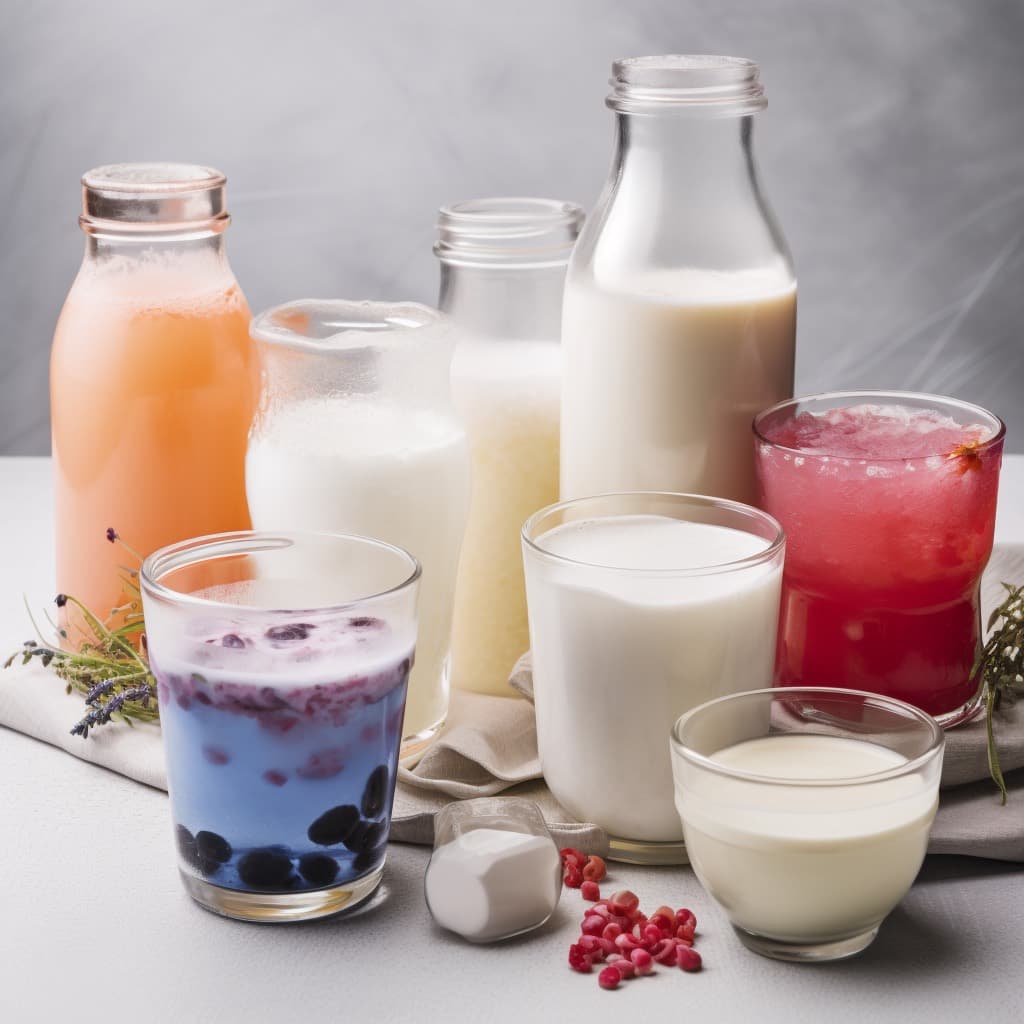
Probiotic drinks are beverages that have been supplemented with specific strains of beneficial bacteria. Common bacteria strains used in probiotic drinks include Lactobacillus and Bifidobacterium. These drinks are typically fermented, allowing the bacteria to multiply and thrive, resulting in a high concentration of live probiotics.
Potential Health Benefits of Probiotic Drinks
1. Improved Digestive Health: Probiotics can help regulate digestion by enhancing the breakdown of food and the absorption of nutrients. They may also alleviate symptoms of digestive disorders such as bloating, gas, and diarrhea.
2. Enhanced Immune Function: A significant portion of our immune system resides in the gut. Probiotics play a crucial role in supporting a healthy immune response, reducing the risk of infections and promoting overall immune function.
3. Gut Microbiome Balance: Probiotic drinks can help restore and maintain a balanced gut microbiome by increasing the population of beneficial bacteria. A diverse and balanced gut microbiome is associated with better overall health.
4. Potential Mental Health Benefits: Emerging research suggests a link between the gut and the brain, often referred to as the gut-brain axis. Probiotics may have a positive impact on mental health conditions such as anxiety and depression, although more research is needed in this area.
5. Enhanced Nutrient Synthesis: Certain strains of probiotics can help synthesize vitamins and minerals, such as vitamin K and B vitamins, which are essential for various bodily functions.
Factors to Consider
When choosing probiotic drinks, it's important to consider the following factors:
1. Strain Specificity: Different strains of bacteria may have varying effects on the body. Look for probiotic drinks that specify the strains used and their associated health benefits.
2. Viability and Shelf Stability: Probiotics are live organisms, and their viability is crucial for their effectiveness. Choose probiotic drinks that have been properly stored and refrigerated to ensure the viability of the beneficial bacteria.
3. Added Sugars and Additives: Some probiotic drinks may contain added sugars or artificial additives, which can counteract the potential health benefits. Opt for drinks with minimal added sugars and natural ingredients.
4. Individual Tolerance: Probiotic drinks may not be suitable for everyone, especially individuals with compromised immune systems or underlying health conditions. Consult with a healthcare professional if you have any concerns or specific dietary needs.
Frequently Asked Questions (FAQs)
Can probiotic drinks help with weight loss?
While probiotic drinks alone may not directly lead to weight loss, they can support overall digestive health, which may indirectly contribute to weight management. A healthy gut microbiome is associated with better metabolic function and improved nutrient absorption.
How long does it take for probiotics to show results?
The effects of probiotics can vary from person to person. Some individuals may experience benefits within a few days, while others may take weeks or even months to notice a difference. Consistency in consumption is key.
Can probiotic drinks replace the need for probiotic supplements?
Probiotic drinks can be a convenient way to incorporate probiotics into your diet. However, for individuals with specific health conditions or those in need of higher doses of probiotics, targeted probiotic supplements may be recommended. Consult with a healthcare professional for personalized advice.
Nutrition Snapshot
Use this table as a practical reference, not as a substitute for the label on a specific product. Brands, recipes, and serving sizes vary widely.
| Option | Typical calories | Sugar or carbs | What to check |
|---|---|---|---|
| Plain probiotic drink | 20-80 | 0-8 g | Look for live cultures and low added sugar |
| Kombucha | 30-120 | 4-20 g | May contain caffeine and trace alcohol |
| Sweetened yogurt drink | 100-250+ | 12-35 g | Higher calories and added sugar are common |
Comparison: Best Uses and Trade-Offs
| Choice | Best use | Main trade-off |
|---|---|---|
| Fermented drink | May provide live cultures and organic acids | Benefits depend on strain, dose, and product quality |
| Probiotic supplement | More controlled strain and CFU information | Can be expensive and still may not fit every person |
| Fermented foods | Adds nutrients and texture to meals | Sodium, sugar, or histamine can be concerns |
Serving Size Guidance
Start with a small serving, such as 4-8 ounces, and see how your digestion responds. Choose products with low added sugar and clear culture information. More is not automatically better, especially for people who experience bloating or are medically vulnerable.
Who Should Avoid or Limit It
This drink may not be a good fit for people with allergies, medication interactions, digestive sensitivity, or a medically restricted diet. If the beverage is being used to manage a condition rather than simply enjoyed as part of a meal, it is worth checking with a qualified healthcare professional.
Internal Reading Guide
For related context, see Are Probiotics Good for You?, Kombucha: The Probiotic Elixir Thats Good for You. These articles help connect this topic with hydration, sugar intake, caffeine, digestion, and condition-specific drink choices.
How to Use This Advice in Real Life
The most useful way to judge a health-focused drink is to look at the whole pattern around it. A drink that is helpful with breakfast can be less helpful if it becomes a large sweetened serving between meals. A beverage with antioxidants can still be a poor daily choice if it carries a heavy sugar load. A drink that is fine for one person may be inappropriate for someone with diabetes, kidney disease, reflux, pregnancy-related restrictions, or medication interactions.
A simple approach is to ask three questions before making it a habit. First, what does this drink replace? If it replaces soda, energy drinks, or heavily sweetened coffee drinks, it may be a clear improvement. Second, what does the label show? Calories, added sugar, sodium, caffeine, and serving size matter more than front-label health language. Third, how does your body respond? Digestion, sleep, blood sugar, blood pressure, and appetite are practical signals that should shape the routine.
For health-focused drinks, the best results usually come from consistency and moderation rather than aggressive use. Drinking more does not guarantee more benefit. In many cases, the healthier pattern is a small serving with a meal, plain water between meals, and whole foods as the main source of fiber, protein, vitamins, and minerals.
Conclusion
Probiotic drinks offer a convenient and tasty way to support a healthy gut microbiome. The live beneficial bacteria found in these beverages have the potential to improve digestive health, enhance immune function, and contribute to overall well-being. When selecting probiotic drinks, consider factors such as strain specificity, viability, and added ingredients. Remember that individual responses may vary, and it is always advisable to consult with a healthcare professional for personalized guidance.
Editorial Notes for Better Decisions
When evaluating the science behind probiotic drinks and their potential health benefits, focus on how the drink fits into a normal day rather than treating it as a shortcut. The healthiest version is usually unsweetened, portion-aware, and paired with meals or snacks that provide fiber, protein, and healthy fats. That context matters because beverages are easy to overconsume, and labels can make small nutritional differences sound more important than they are.
It also helps to compare the drink with the choice it replaces. Replacing soda, sweet tea, or a large dessert-style coffee drink is different from replacing plain water or whole fruit. The better option depends on your health goals, medical background, taste preferences, and how consistently you can maintain the habit.
Practical Examples and Context
For everyday use, the science behind probiotic drinks and their potential health benefits should be judged by the full serving, not only by the headline ingredient. A small unsweetened serving can fit comfortably into a balanced routine, while a large bottled version with added sugar, sodium, syrup, or cream can change the nutrition profile quickly. This is why label reading, portion control, and personal tolerance matter as much as the drink category.
One useful habit is to plan when the drink makes the most sense. Some beverages work better with meals because food slows digestion and improves satisfaction. Others are better earlier in the day because of caffeine. Drinks used around exercise, travel, sleep, or medical conditions should be matched to the situation rather than consumed automatically.
If you are comparing options, start with the simplest version first. Choose plain, unsweetened, or low-sodium products when possible, then add flavor intentionally with fruit, herbs, spices, or a measured amount of milk. This approach keeps the drink enjoyable without letting extra ingredients overwhelm the original health goal.
Final Practical Checklist
Before making a drink a daily habit, confirm that the serving size fits your goals, the drink is not quietly adding excess sugar or sodium, and the choice works with your medical context. Choose unsweetened versions when possible, keep portions measured, and use whole foods to supply the fiber and protein that beverages often lack.
The most sustainable routine is usually simple: water as the default, thoughtful drinks with meals, and special beverages used for flavor or targeted nutrition rather than as a cure-all. That pattern keeps possible benefits in perspective while reducing the most common downsides.