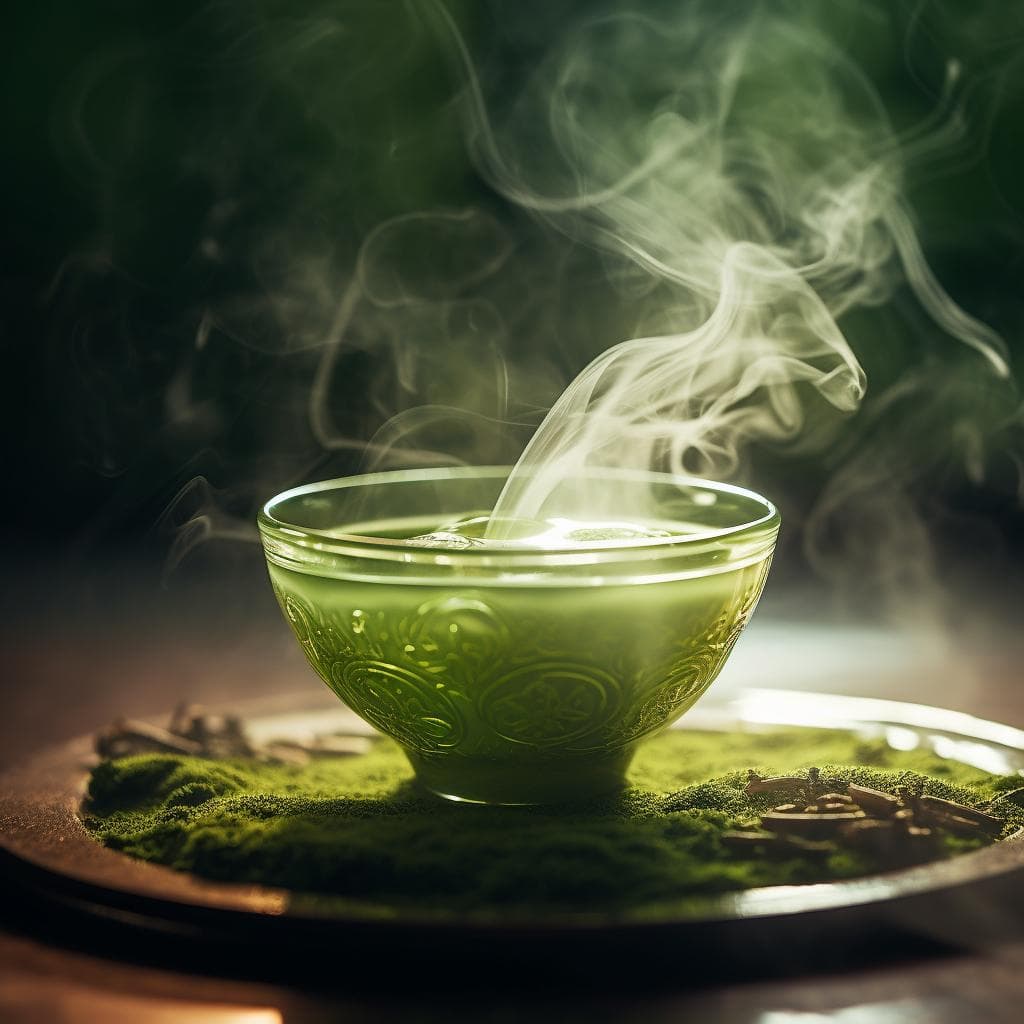

Belly fat is a common concern for many individuals, as it not only affects our physical appearance but also poses risks to our health. The good news is that there are natural remedies that may aid in reducing belly fat, and one of them is black tea. In this article, we will explore whether black tea can help in reducing belly fat and delve into the potential mechanisms behind its effectiveness.
Understanding Black Tea
Black tea, derived from the Camellia sinensis plant, is a popular beverage consumed worldwide. It contains several beneficial compounds, including polyphenols, flavonoids, and catechins, that contribute to its potential health benefits. These components play a crucial role in supporting weight management and may have positive effects on reducing belly fat.
The Effects of Black Tea on Weight Loss
Numerous studies have examined the association between black tea consumption and weight loss. While individual results may vary, research suggests that incorporating black tea into a balanced diet and active lifestyle can contribute to overall weight management, including the reduction of belly fat.
Black Tea and Metabolism
One of the key ways black tea may help reduce belly fat is by boosting metabolism. The combination of catechins and caffeine in black tea has been found to increase thermogenesis, the process by which the body burns calories to produce heat. By stimulating the metabolism, black tea can potentially enhance calorie burning and promote fat loss, including in the abdominal region.
Black Tea and Appetite Suppression
Controlling cravings and reducing overall calorie intake is crucial for weight management, including belly fat reduction. Black tea has been shown to possess appetite-suppressing properties, thanks to its polyphenols. These compounds can help regulate the hunger hormone ghrelin, promoting a feeling of fullness and curbing overeating, particularly of calorie-dense foods.
Black Tea and Fat Oxidation
When it comes to reducing belly fat, the ability to burn fat in the targeted area is essential. The polyphenols present in black tea have been found to enhance fat oxidation, which is the process of breaking down stored fat and converting it into energy. By promoting fat oxidation, black tea can potentially aid in reducing belly fat.
Black Tea and Insulin Sensitivity
Maintaining stable blood sugar levels and improving insulin sensitivity are crucial for weight management, including losing belly fat. Black tea has been found to have a positive impact on insulin sensitivity, helping to regulate blood sugar levels and prevent spikes. By promoting balanced blood sugar levels, black tea may indirectly contribute to the reduction of abdominal fat.
Other Factors to Consider
While black tea can be a beneficial addition to a weight loss journey, it is important to remember that it is not a magic solution on its own. Adopting healthy lifestyle habits such as a balanced diet, regular exercise, and adequate sleep are equally important for overall weight management and reducing belly fat. Black tea can complement these efforts and amplify their effects.
Recommended Consumption and Preparation of Black Tea
To reap the potential benefits of black tea, it is recommended to consume two to three cups a day. To prepare black tea, simply steep a tea bag or loose tea leaves in hot water for 3-5 minutes, depending on personal preference. Adding a squeeze of lemon or a dash of cinnamon can enhance both the flavor and potential health benefits.
Potential Risks or Considerations
While black tea is generally safe for most individuals, it is important to consider potential risks or contraindications. Those with certain health conditions, such as heart problems or anxiety disorders, should consult with their healthcare professional before consuming black tea excessively. Additionally, individuals sensitive to caffeine should be mindful of their intake, as black tea contains moderate amounts of this stimulant.
Nutrition Snapshot
Use this table as a practical reference, not as a substitute for the label on a specific product. Brands, recipes, and serving sizes vary widely.
| Option | Typical calories | Sugar or carbs | What to check |
|---|---|---|---|
| Plain brewed tea | 0-5 | 0 g | 20-80 mg caffeine depending on type and brew strength |
| Sweetened or latte-style tea | 60-250+ | 8-35 g | Varies by milk, syrup, and serving size |
| Decaffeinated or herbal option | 0-10 | 0 g | Often caffeine-free, but check labels |
Comparison: Best Uses and Trade-Offs
| Choice | Best use | Main trade-off |
|---|---|---|
| Plain brewed tea | Low-calorie, antioxidant-rich, easy to control strength | Can still contain caffeine and tannins |
| Coffee | Higher caffeine and strong alertness effect | More likely to affect sleep or jitters in sensitive people |
| Sweet tea drinks | Convenient and flavorful | Added sugar can turn a healthy drink into dessert |
Serving Size Guidance
For weight management, servings matter more than the health halo of the drink. Keep calorie-containing beverages small, avoid sipping sweet drinks between meals, and use unsweetened tea, coffee, or water as defaults. Drinks can support fullness and routines, but they do not replace an overall calorie-aware diet.
Who Should Avoid or Limit It
This drink may not be a good fit for people who are pregnant, sensitive to caffeine, or avoiding alcohol unless the product details and medical guidance support it. If the beverage is being used to manage a condition rather than simply enjoyed as part of a meal, it is worth checking with a qualified healthcare professional.
Internal Reading Guide
For related context, see Does Green Tea Have Caffeine?, Master the Art of Green Tea Making: Secrets to Brewing the Perfect Cup, What are the different types of herbal tea and their benefits?. These articles help connect this topic with hydration, sugar intake, caffeine, digestion, and condition-specific drink choices.
How to Use This Advice in Real Life
The most useful way to judge a health-focused drink is to look at the whole pattern around it. A drink that is helpful with breakfast can be less helpful if it becomes a large sweetened serving between meals. A beverage with antioxidants can still be a poor daily choice if it carries a heavy sugar load. A drink that is fine for one person may be inappropriate for someone with diabetes, kidney disease, reflux, pregnancy-related restrictions, or medication interactions.
A simple approach is to ask three questions before making it a habit. First, what does this drink replace? If it replaces soda, energy drinks, or heavily sweetened coffee drinks, it may be a clear improvement. Second, what does the label show? Calories, added sugar, sodium, caffeine, and serving size matter more than front-label health language. Third, how does your body respond? Digestion, sleep, blood sugar, blood pressure, and appetite are practical signals that should shape the routine.
For health-focused drinks, the best results usually come from consistency and moderation rather than aggressive use. Drinking more does not guarantee more benefit. In many cases, the healthier pattern is a small serving with a meal, plain water between meals, and whole foods as the main source of fiber, protein, vitamins, and minerals.
Editorial Notes for Better Decisions
When evaluating does black tea help in reducing belly fat, focus on how the drink fits into a normal day rather than treating it as a shortcut. The healthiest version is usually unsweetened, portion-aware, and paired with meals or snacks that provide fiber, protein, and healthy fats. That context matters because beverages are easy to overconsume, and labels can make small nutritional differences sound more important than they are.
It also helps to compare the drink with the choice it replaces. Replacing soda, sweet tea, or a large dessert-style coffee drink is different from replacing plain water or whole fruit. The better option depends on your health goals, medical background, taste preferences, and how consistently you can maintain the habit.
Conclusion
In conclusion, incorporating black tea into a balanced lifestyle may help in the reduction of belly fat. Its ability to boost metabolism, suppress appetite, promote fat oxidation, and regulate blood sugar levels suggest its potential efficacy in targeting abdominal fat. However, it is important to approach weight loss holistically and combine black tea consumption with a healthy diet and regular exercise for optimal results.
FAQs
Can drinking black tea alone reduce belly fat?
While black tea can aid in belly fat reduction, it is important to adopt a comprehensive approach that includes a balanced diet and regular exercise.
How long does it take to see results from drinking black tea for belly fat reduction?
Individual results may vary, but regular consumption of black tea as part of a healthy lifestyle can gradually contribute to belly fat reduction over time.
Are there any specific types of black tea that are more effective for reducing belly fat?
Various types of black tea, such as Assam, Darjeeling, or Earl Grey, can offer similar benefits. Choose one that suits your taste preference.
Can adding sweeteners or milk to black tea affect its belly fat reduction properties?
The addition of sweeteners or milk may add extra calories, so it is best to consume black tea without any additions to maximize its potential benefits for belly fat reduction.
Can black tea be consumed at any time of the day for belly fat reduction?
Black tea can be consumed at any time of the day. However, it does contain caffeine, so consider limiting consumption in the evening to avoid potential sleep disturbances.