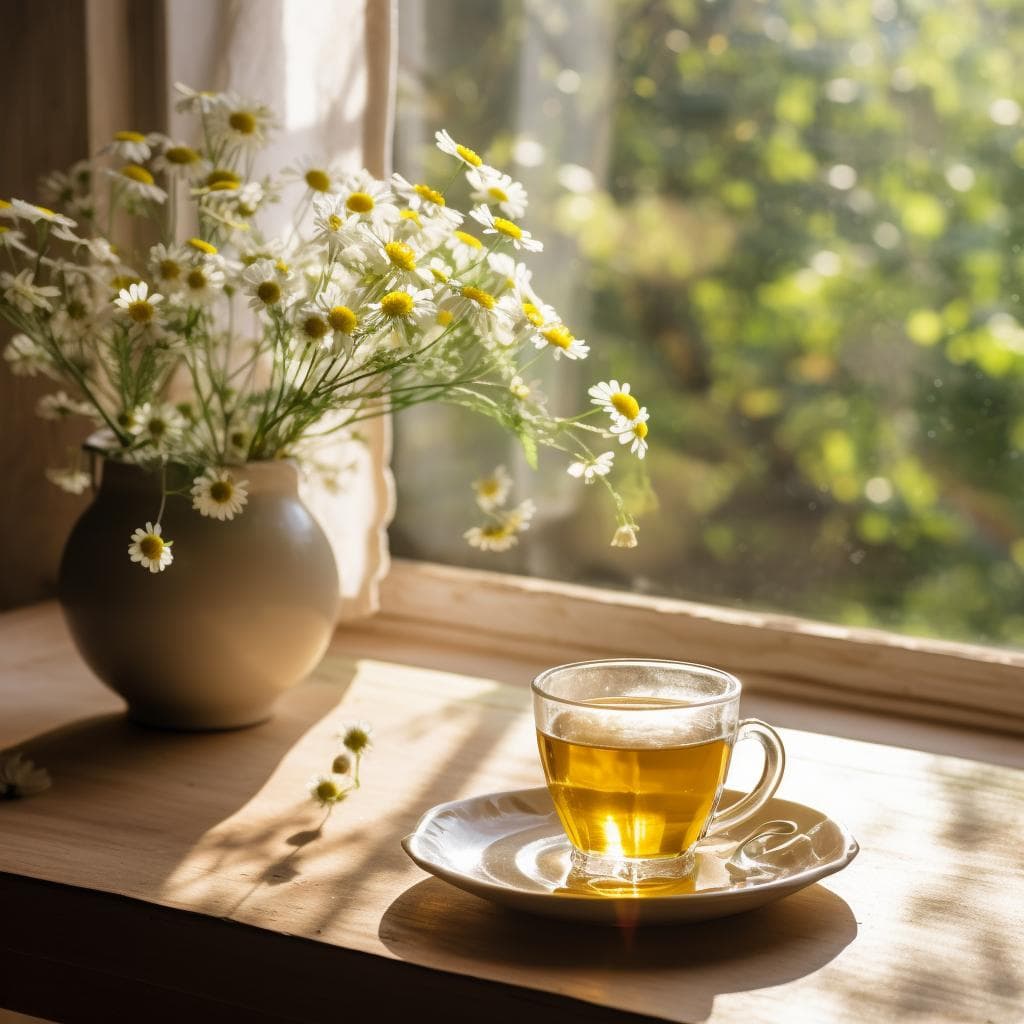
Are you seeking a natural remedy to alleviate your anxiety? Look no further than the soothing goodness of chamomile tea. With its delicate floral aroma and gentle taste, chamomile tea has long been lauded for its potential calming effects. But does it really have any impact on anxiety levels? In this article, we will explore the scientific research surrounding chamomile tea and its potential as an anxiety-relieving beverage. So, sit back, relax, and let's dive into the world of chamomile tea.
What is Chamomile Tea?
Chamomile tea has a rich history dating back thousands of years. It is derived from the dried flowers of the Chamomilla recutita plant, a member of the daisy family. This golden herb is known for its soothing properties and is often brewed as a hot tea. There are various varieties of chamomile tea available, including German chamomile and Roman chamomile, both of which possess similar therapeutic qualities.
Understanding Anxiety
Anxiety is a common mental health condition that affects millions worldwide. It is characterized by excessive worrying, restlessness, and a constant sense of unease. While conventional treatments for anxiety exist, many individuals seek natural alternatives to manage their symptoms. Chamomile tea has emerged as a potential solution due to its long-standing reputation for promoting relaxation.
Chamomile Tea and its Calming Properties
Chamomile tea has been used for centuries as a traditional remedy for relaxation. Various chemical compounds found in chamomile, such as apigenin and bisabolol, are believed to contribute to its soothing effects. Scientific studies have explored the potential anti-anxiety properties of chamomile tea.
Exploring the Research
Numerous studies have examined the impact of chamomile tea on anxiety levels. For instance, a study published in the Journal of Clinical Psychopharmacology found that chamomile extract significantly reduced anxiety symptoms in individuals with generalized anxiety disorder. Another study published in the Alternative Therapies in Health and Medicine journal indicated that chamomile tea had a positive effect on reducing anxiety symptoms in patients undergoing cardiac catheterization.
Mechanisms of Chamomile Tea's Effect on Anxiety
The calming effect of chamomile tea can be attributed to its interaction with neurotransmitters and receptors in the brain. Research suggests that chamomile tea may modulate gamma-aminobutyric acid (GABA) receptors, which are known for their inhibitory effect on anxiety. By enhancing the activity of GABA receptors, chamomile tea may promote relaxation and reduce anxiety symptoms.
Personal Experiences and Anecdotal Evidence
While scientific research provides valuable insights, personal experiences also play a significant role in determining the effectiveness of chamomile tea for anxiety. Many individuals have reported positive experiences with chamomile tea, citing increased relaxation and a reduction in anxiety symptoms. However, it is important to consider the potential placebo effect and individual variability in response to chamomile tea.
Safety and Precautions
Chamomile tea is generally regarded as safe for consumption, but it may cause allergic reactions in individuals who are sensitive to plants from the daisy family. It is advised to consult with a healthcare professional before incorporating chamomile tea into your anxiety management routine, especially if you are taking any medications or have pre-existing medical conditions.
Nutrition Snapshot
Use this table as a practical reference, not as a substitute for the label on a specific product. Brands, recipes, and serving sizes vary widely.
| Option | Typical calories | Sugar or carbs | What to check |
|---|---|---|---|
| Plain brewed tea | 0-5 | 0 g | 20-80 mg caffeine depending on type and brew strength |
| Sweetened or latte-style tea | 60-250+ | 8-35 g | Varies by milk, syrup, and serving size |
| Decaffeinated or herbal option | 0-10 | 0 g | Often caffeine-free, but check labels |
Comparison: Best Uses and Trade-Offs
| Choice | Best use | Main trade-off |
|---|---|---|
| Plain brewed tea | Low-calorie, antioxidant-rich, easy to control strength | Can still contain caffeine and tannins |
| Coffee | Higher caffeine and strong alertness effect | More likely to affect sleep or jitters in sensitive people |
| Sweet tea drinks | Convenient and flavorful | Added sugar can turn a healthy drink into dessert |
Serving Size Guidance
For most adults, 1-3 cups of plain tea per day is a reasonable starting range. Brew strength, caffeine tolerance, sleep schedule, and pregnancy status can change what is appropriate. If the drink is latte-style or sweetened, count the milk, syrup, and sugar as part of the serving.
Who Should Avoid or Limit It
This drink may not be a good fit for people with allergies, medication interactions, digestive sensitivity, or a medically restricted diet. If the beverage is being used to manage a condition rather than simply enjoyed as part of a meal, it is worth checking with a qualified healthcare professional.
Internal Reading Guide
For related context, see Does Green Tea Have Caffeine?, Master the Art of Green Tea Making: Secrets to Brewing the Perfect Cup, What are the different types of herbal tea and their benefits?. These articles help connect this topic with hydration, sugar intake, caffeine, digestion, and condition-specific drink choices.
How to Use This Advice in Real Life
The most useful way to judge a health-focused drink is to look at the whole pattern around it. A drink that is helpful with breakfast can be less helpful if it becomes a large sweetened serving between meals. A beverage with antioxidants can still be a poor daily choice if it carries a heavy sugar load. A drink that is fine for one person may be inappropriate for someone with diabetes, kidney disease, reflux, pregnancy-related restrictions, or medication interactions.
A simple approach is to ask three questions before making it a habit. First, what does this drink replace? If it replaces soda, energy drinks, or heavily sweetened coffee drinks, it may be a clear improvement. Second, what does the label show? Calories, added sugar, sodium, caffeine, and serving size matter more than front-label health language. Third, how does your body respond? Digestion, sleep, blood sugar, blood pressure, and appetite are practical signals that should shape the routine.
For health-focused drinks, the best results usually come from consistency and moderation rather than aggressive use. Drinking more does not guarantee more benefit. In many cases, the healthier pattern is a small serving with a meal, plain water between meals, and whole foods as the main source of fiber, protein, vitamins, and minerals.
Editorial Notes for Better Decisions
When evaluating does chamomile tea have any impact on anxiety levels, focus on how the drink fits into a normal day rather than treating it as a shortcut. The healthiest version is usually unsweetened, portion-aware, and paired with meals or snacks that provide fiber, protein, and healthy fats. That context matters because beverages are easy to overconsume, and labels can make small nutritional differences sound more important than they are.
It also helps to compare the drink with the choice it replaces. Replacing soda, sweet tea, or a large dessert-style coffee drink is different from replacing plain water or whole fruit. The better option depends on your health goals, medical background, taste preferences, and how consistently you can maintain the habit.
Practical Examples and Context
For everyday use, does chamomile tea have any impact on anxiety levels should be judged by the full serving, not only by the headline ingredient. A small unsweetened serving can fit comfortably into a balanced routine, while a large bottled version with added sugar, sodium, syrup, or cream can change the nutrition profile quickly. This is why label reading, portion control, and personal tolerance matter as much as the drink category.
One useful habit is to plan when the drink makes the most sense. Some beverages work better with meals because food slows digestion and improves satisfaction. Others are better earlier in the day because of caffeine. Drinks used around exercise, travel, sleep, or medical conditions should be matched to the situation rather than consumed automatically.
If you are comparing options, start with the simplest version first. Choose plain, unsweetened, or low-sodium products when possible, then add flavor intentionally with fruit, herbs, spices, or a measured amount of milk. This approach keeps the drink enjoyable without letting extra ingredients overwhelm the original health goal.
Conclusion
In conclusion, chamomile tea shows promising potential as a natural remedy for anxiety. Scientific research suggests that chamomile tea may help reduce anxiety symptoms, promote relaxation, and improve well-being. However, it is important to note that more research is needed to fully understand the mechanisms of chamomile tea's impact on anxiety. As with any treatment, individual experiences may vary, and it is always best to consult with a healthcare professional for personalized advice.
FAQ
Can chamomile tea completely eliminate anxiety?
While chamomile tea may help alleviate anxiety symptoms, it is unlikely to completely eliminate anxiety on its own. It is best used as a complementary approach alongside other anxiety management strategies.
How long does it take for chamomile tea to have an effect on anxiety?
The onset of chamomile tea's calming effects may vary from person to person. Some individuals may experience immediate relaxation, while others may require regular consumption over a period of weeks to notice a significant impact on anxiety levels.
Are there any side effects of drinking chamomile tea?
Chamomile tea is generally safe for consumption, but it may cause allergic reactions in individuals with sensitivities to the daisy family. It is advisable to start with a small amount and monitor for any adverse reactions.
Can chamomile tea be combined with medications for anxiety?
It is important to consult with a healthcare professional if you are taking medications for anxiety. They can provide guidance on any potential interactions between chamomile tea and your medications.
Is chamomile tea equally effective for all types of anxiety disorders?
While chamomile tea may offer benefits for various types of anxiety disorders, individual responses may vary. It is best to discuss your specific anxiety condition with a healthcare professional to determine the most appropriate treatment approach.
Remember, incorporating chamomile tea into your anxiety management routine should be done in consultation with a healthcare professional. By exploring natural remedies like chamomile tea, you can potentially find a calming companion in your journey towards managing anxiety.