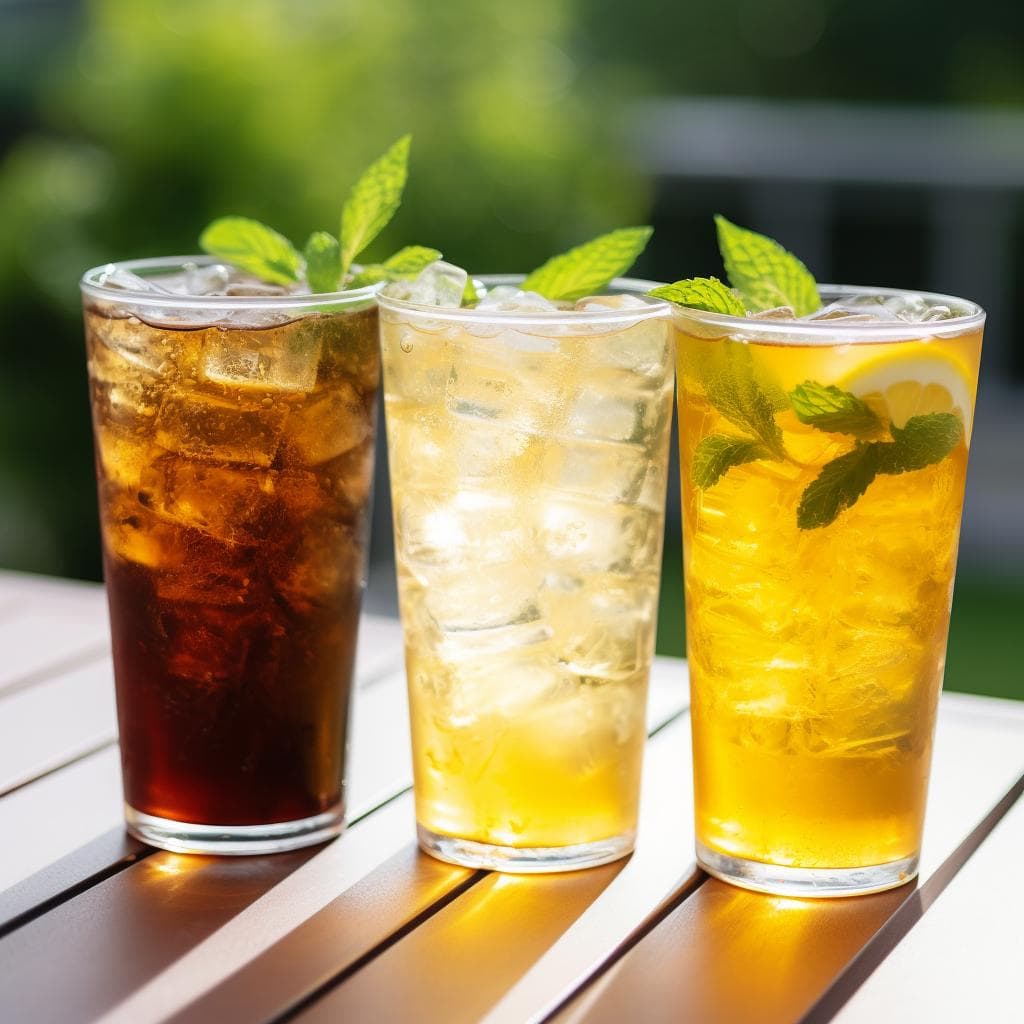
Iced tea has gained immense popularity as a refreshing and delicious beverage, especially during hot summer months. As tea enthusiasts, we often wonder which type of iced tea is the healthiest to consume. In this article, we will explore the different aspects of iced tea, including its nutritional composition, the benefits of various types of tea, tips for making healthier versions at home, and considerations for incorporating iced tea into a balanced diet.
Understanding the Nutritional Composition of Iced Tea
Iced tea is made from a variety of ingredients, with tea leaves being the main component. The nutritional benefits and drawbacks of iced tea depend on the other ingredients added, such as sweeteners and flavorings. While plain brewed tea is naturally low in calories and sugar, the addition of these extras can impact its overall healthfulness.
Benefits of Different Types of Iced Tea
Black Tea
Black tea, known for its robust flavor, contains antioxidants called theaflavins and thearubigins. These compounds have been linked to various health benefits, including reduced risk of heart disease and improved gut health. When prepared as iced tea, black tea offers a refreshing and invigorating beverage option.
Green Tea
Green tea is celebrated for its high concentration of antioxidants known as catechins. These compounds have been associated with potential benefits such as weight management, improved brain function, and reduced risk of certain diseases. Enjoying green tea in its iced form can provide a cooling and healthful beverage choice.
Herbal Tea
Unlike black and green tea, herbal teas are not derived from the Camellia sinensis plant. They are made from various herbs, fruits, flowers, and spices. Different herbal teas offer different health benefits. For example, chamomile tea is renowned for its calming and sleep-promoting properties, while hibiscus tea may support heart health and aid in managing blood pressure.
Choosing the Healthiest Iced Tea Option
When it comes to selecting the healthiest iced tea, there are a few factors to consider:
Brewing Methods
The way tea is brewed can impact its nutritional composition. Long steeping times and higher temperatures may lead to greater extraction of beneficial compounds. However, brewing tea for too long can result in a more bitter taste.
Nutritional Profiles
Comparing the nutritional profiles of different types of iced tea is essential in determining their healthiness. Analyzing factors such as calorie content, sugar levels, and potential allergens can help make an informed choice.
Additional Considerations
Those who are sensitive to caffeine should be aware of its presence in iced tea. While the caffeine content in tea is generally lower compared to coffee, it may still affect individuals with certain health conditions. Additionally, for those aiming to limit their sugar or calorie intake, choosing unsweetened or lightly sweetened options is advisable.
Tips for Making Healthier Iced Tea at Home
Alternative Sweeteners and Flavorings
Instead of using traditional refined sugar, consider trying alternative sweeteners such as honey, stevia, or maple syrup. They provide a natural touch of sweetness without the negative health effects associated with excessive sugar consumption. Additionally, infusing your iced tea with fresh fruits, herbs, or spices can enhance the flavor while adding extra health benefits.
Fruit-Infused and Herbal Iced Tea Recipes
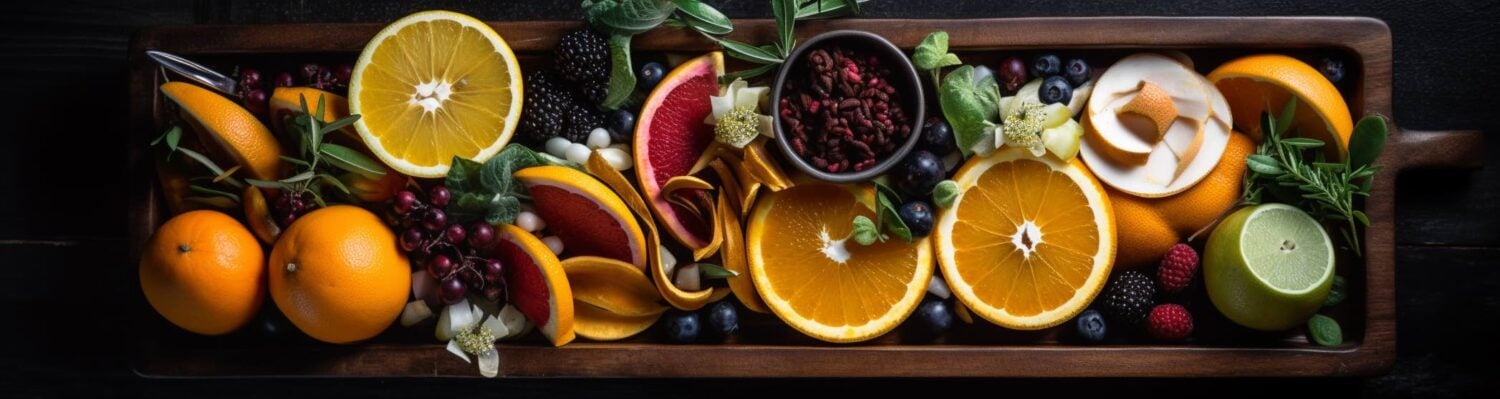
Experimenting with different fruit and herbal combinations can yield delightful and healthful iced tea options. Try infusing iced tea with slices of citrus fruits, berries, or even cucumber for a refreshing twist. Similarly, herbs like mint, basil, or lavender can add unique flavors and potential health benefits.
Reducing Sugar and Calorie Intake
Gradually decreasing the amount of sweetener used and opting for unsweetened or lightly sweetened iced tea can significantly reduce sugar and calorie intake. Over time, our taste buds can adapt to enjoying the natural flavors of tea without the need for excessive sweetness.
Incorporating Iced Tea into a Balanced Diet
Recommended Serving Sizes
When consuming iced tea, it is important to be mindful of portion sizes. Generally, a standard serving of iced tea is about 8 ounces or 240 milliliters. This recommendation ensures that you can enjoy the health benefits of tea without overindulging.
Consideration of Dietary Components
While iced tea offers its own health advantages, it is crucial to consider its interaction with other dietary components. For example, pairing tea with a calcium-rich snack or meal may interfere with iron absorption. It is essential to strike a balance and ensure overall nutritional adequacy.
Pairing with Healthy Snacks or Meals
Iced tea can be a fantastic complement to a balanced diet. Consider enjoying a refreshing glass of iced tea alongside a fruit salad, a light sandwich, or a nutritious stir-fry. This pairing offers a delightful combination of flavors while incorporating essential nutrients into your diet.
Summary and Conclusion
In summary, selecting the healthiest iced tea involves understanding its nutritional composition, considering the benefits of different types of tea, and making conscious choices about sweeteners and additives. Brewing methods, nutritional profiles, and additional considerations play a role in deciding which iced tea option is best for individual health goals. By following tips for making healthier versions at home and incorporating iced tea into a balanced diet, we can savor this refreshing beverage while reaping its potential health benefits.
FAQs
Is iced tea as healthy as hot tea?
Both hot and iced tea, when prepared without excessive sweeteners, can be equally healthy. It's mainly a matter of personal preference and the desired temperature of the beverage.
Can I consume iced tea if I have a caffeine sensitivity?
While the caffeine content in iced tea is generally lower than that of coffee, individuals with caffeine sensitivity should exercise caution or opt for decaffeinated versions of tea.
Are flavored herbal iced teas as beneficial as traditional tea options?
Flavored herbal iced teas offer unique flavors and potential health benefits associated with the herbs and fruits used. However, it is important to carefully read ingredient labels to understand the specific benefits they provide.
How can I reduce the bitterness of iced tea without adding sweeteners?
If you find iced tea too bitter, try brewing it at a lower temperature or reducing the steeping time. Additionally, adding a squeeze of lemon or a dash of honey can help balance the bitterness.
Can I replace water intake with iced tea for hydration purposes?
While iced tea can contribute to daily hydration, water should remain the primary source of hydration to ensure adequate fluid intake. It is essential to consume a variety of beverages, including water, for optimal hydration.
Nutrition Snapshot
Use this table as a practical reference, not as a substitute for the label on a specific product. Brands, recipes, and serving sizes vary widely.
| Option | Typical calories | Sugar or carbs | What to check |
|---|---|---|---|
| Plain brewed tea | 0-5 | 0 g | 20-80 mg caffeine depending on type and brew strength |
| Sweetened or latte-style tea | 60-250+ | 8-35 g | Varies by milk, syrup, and serving size |
| Decaffeinated or herbal option | 0-10 | 0 g | Often caffeine-free, but check labels |
Comparison: Best Uses and Trade-Offs
| Choice | Best use | Main trade-off |
|---|---|---|
| Plain brewed tea | Low-calorie, antioxidant-rich, easy to control strength | Can still contain caffeine and tannins |
| Coffee | Higher caffeine and strong alertness effect | More likely to affect sleep or jitters in sensitive people |
| Sweet tea drinks | Convenient and flavorful | Added sugar can turn a healthy drink into dessert |
Serving Size Guidance
For most adults, 1-3 cups of plain tea per day is a reasonable starting range. Brew strength, caffeine tolerance, sleep schedule, and pregnancy status can change what is appropriate. If the drink is latte-style or sweetened, count the milk, syrup, and sugar as part of the serving.
Who Should Avoid or Limit It
This drink may not be a good fit for people with allergies, medication interactions, digestive sensitivity, or a medically restricted diet. If the beverage is being used to manage a condition rather than simply enjoyed as part of a meal, it is worth checking with a qualified healthcare professional.
Internal Reading Guide
For related context, see Does Green Tea Have Caffeine?, Master the Art of Green Tea Making: Secrets to Brewing the Perfect Cup, What are the different types of herbal tea and their benefits?. These articles help connect this topic with hydration, sugar intake, caffeine, digestion, and condition-specific drink choices.
How to Use This Advice in Real Life
The most useful way to judge a health-focused drink is to look at the whole pattern around it. A drink that is helpful with breakfast can be less helpful if it becomes a large sweetened serving between meals. A beverage with antioxidants can still be a poor daily choice if it carries a heavy sugar load. A drink that is fine for one person may be inappropriate for someone with diabetes, kidney disease, reflux, pregnancy-related restrictions, or medication interactions.
A simple approach is to ask three questions before making it a habit. First, what does this drink replace? If it replaces soda, energy drinks, or heavily sweetened coffee drinks, it may be a clear improvement. Second, what does the label show? Calories, added sugar, sodium, caffeine, and serving size matter more than front-label health language. Third, how does your body respond? Digestion, sleep, blood sugar, blood pressure, and appetite are practical signals that should shape the routine.
For health-focused drinks, the best results usually come from consistency and moderation rather than aggressive use. Drinking more does not guarantee more benefit. In many cases, the healthier pattern is a small serving with a meal, plain water between meals, and whole foods as the main source of fiber, protein, vitamins, and minerals.