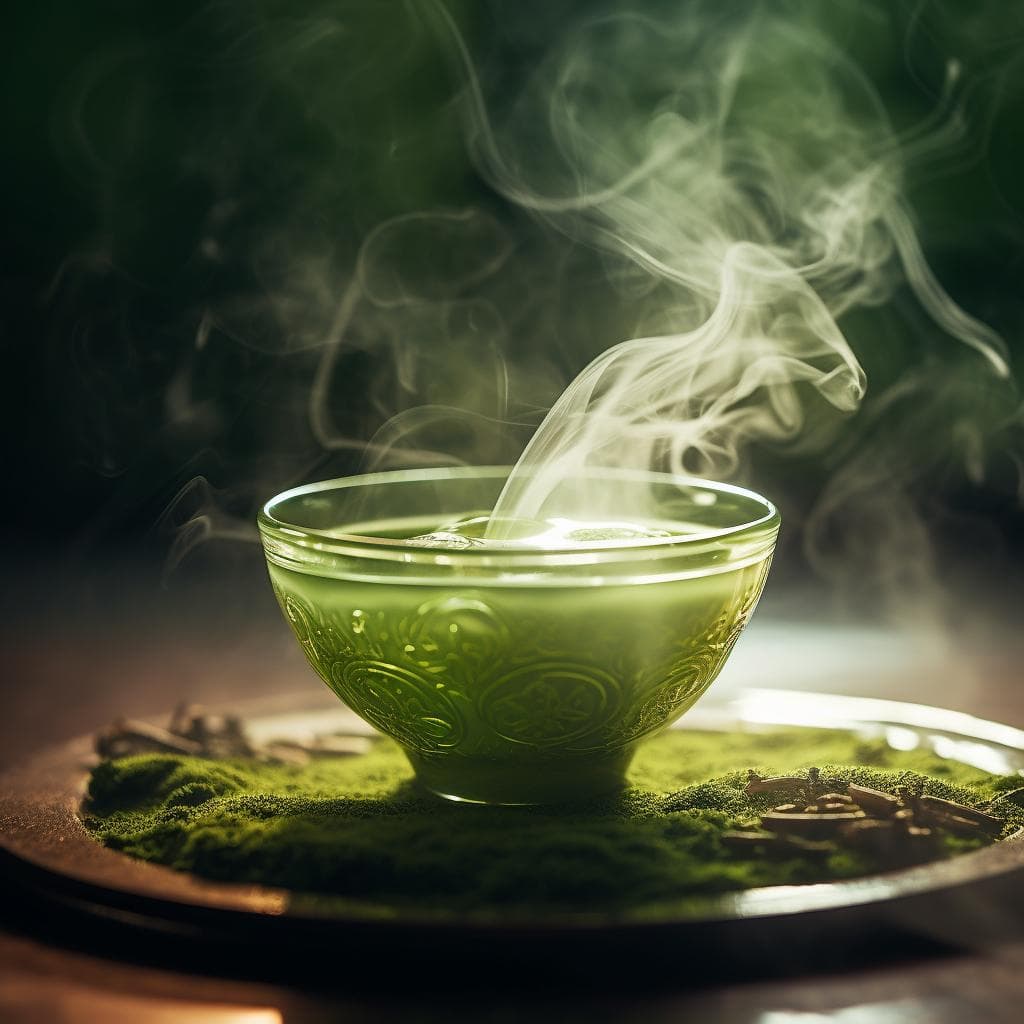

Chamomile tea is a popular herbal drink enjoyed by many for its soothing and calming effects. But have you ever wondered when is the best time to drink chamomile tea to fully reap its benefits? In this article, we will explore the various advantages of drinking chamomile tea and discuss the optimal times to consume it for specific purposes. So kick back, relax, and let's discover the best time to enjoy a cup of chamomile tea!
Understanding Chamomile Tea
Chamomile tea has been used for centuries due to its calming and medicinal properties. This herbal infusion is made from the dried flowers of the chamomile plant, scientifically known as Matricaria chamomilla. Chamomile is rich in antioxidants, including flavonoids, which have numerous health benefits.
The best time to drink chamomile tea for relaxation
If you're looking to unwind after a long day or have trouble falling asleep, chamomile tea is the perfect beverage. Due to its natural sedative properties, consuming chamomile tea before bedtime can promote relaxation and improve sleep quality. The ideal time to drink chamomile tea for relaxation is approximately 30 minutes to an hour before going to bed. This will allow the tea's compounds to take effect and help you drift off into a peaceful slumber.
Drinking chamomile tea to aid digestion
Chamomile tea has long been used as a remedy for digestive issues such as indigestion, bloating, and stomachaches. The anti-inflammatory and antispasmodic properties of chamomile can help relax the muscles of the gastrointestinal tract, soothing discomfort. For optimal digestion benefits, it is recommended to drink chamomile tea after meals. This will assist in the breakdown of food, alleviate bloating, and support a healthy digestive system.
Using chamomile tea for menstrual relief
Ladies, listen up! Chamomile tea may just become your new best friend during that time of the month. The anti-inflammatory properties of chamomile can help ease menstrual cramps and reduce discomfort. For maximum relief, it is recommended to start drinking chamomile tea a day or two before your expected period. Continue consuming it throughout your menstrual cycle to alleviate symptoms and improve overall well-being.
Drinking chamomile tea for immune support
As we strive to maintain optimal health, supporting our immune system becomes crucial. Chamomile tea contains various compounds that can boost immune function. Consuming chamomile tea during periods of stress or when you feel your immune system is compromised can be highly beneficial. There is no specific time restriction for immune support, so feel free to enjoy chamomile tea throughout the day, especially during times when you need an extra boost.
Using chamomile tea for skin health
Chamomile tea isn't just for sipping; it can also work wonders for your skin. The antioxidants and anti-inflammatory properties found in chamomile tea can help soothe irritated skin, reduce redness, and promote a healthy complexion. To fully maximize the benefits, you can either drink chamomile tea or apply it topically as a facial rinse. Incorporating chamomile tea into your skincare routine can rejuvenate your skin and give it a natural, healthy glow.
Drinking chamomile tea for weight loss
If you're on a weight loss journey, chamomile tea can be a helpful ally. Although not a magic potion, chamomile tea can support your weight loss efforts. It can act as a low-calorie and caffeine-free alternative to sugary drinks, aiding in calorie reduction. The best time to drink chamomile tea for weight loss is between meals or as a replacement for high-calorie snacks. The warmth and mild bitter taste can also help curb cravings and prevent mindless eating.
Potential risks and precautions
While chamomile tea is generally safe for consumption, it's essential to be aware of any potential risks or precautions. Some individuals may have allergies or sensitivity to chamomile. If you experience any allergic reactions such as itching, swelling, or difficulty breathing, discontinue use immediately and seek medical attention. Additionally, chamomile may interact with certain medications, so check with your healthcare professional if you're taking any prescription drugs.
In conclusion, chamomile tea offers a range of benefits for relaxation, digestion, menstrual relief, immune support, skin health, and weight loss. By drinking chamomile tea at specific times, you can maximize its potential advantages. However, it's important to remember that individual responses may vary, and consulting with a healthcare professional is always recommended for personalized advice.
FAQs
Can chamomile tea help with anxiety?
Chamomile tea has calming properties and may help reduce anxiety symptoms. It's worth giving it a try, but if your anxiety persists, it's crucial to seek professional help.
Can chamomile tea be enjoyed during pregnancy?
While chamomile tea is generally safe for most people, pregnant women should consult their healthcare provider before consuming chamomile tea, as it may stimulate contractions.
Is chamomile tea safe for children?
Chamomile tea is generally safe for children when consumed in moderation. However, it's best to consult with a pediatrician before introducing chamomile tea to a child's diet.
How long should I steep chamomile tea for maximum benefits?
To extract the full potential of chamomile flowers, steep them in hot water for about 5-10 minutes. This will allow the tea to develop its flavors and release beneficial compounds.
Can I drink chamomile tea every day?
Yes, you can enjoy chamomile tea daily. However, as with any herbal tea, moderation is key. It's always advisable to listen to your body and adjust consumption as needed.
Nutrition Snapshot
Use this table as a practical reference, not as a substitute for the label on a specific product. Brands, recipes, and serving sizes vary widely.
| Option | Typical calories | Sugar or carbs | What to check |
|---|---|---|---|
| Plain brewed tea | 0-5 | 0 g | 20-80 mg caffeine depending on type and brew strength |
| Sweetened or latte-style tea | 60-250+ | 8-35 g | Varies by milk, syrup, and serving size |
| Decaffeinated or herbal option | 0-10 | 0 g | Often caffeine-free, but check labels |
Comparison: Best Uses and Trade-Offs
| Choice | Best use | Main trade-off |
|---|---|---|
| Plain brewed tea | Low-calorie, antioxidant-rich, easy to control strength | Can still contain caffeine and tannins |
| Coffee | Higher caffeine and strong alertness effect | More likely to affect sleep or jitters in sensitive people |
| Sweet tea drinks | Convenient and flavorful | Added sugar can turn a healthy drink into dessert |
Serving Size Guidance
For most adults, 1-3 cups of plain tea per day is a reasonable starting range. Brew strength, caffeine tolerance, sleep schedule, and pregnancy status can change what is appropriate. If the drink is latte-style or sweetened, count the milk, syrup, and sugar as part of the serving.
Who Should Avoid or Limit It
This drink may not be a good fit for people with allergies, medication interactions, digestive sensitivity, or a medically restricted diet. If the beverage is being used to manage a condition rather than simply enjoyed as part of a meal, it is worth checking with a qualified healthcare professional.
Internal Reading Guide
For related context, see Does Green Tea Have Caffeine?, Master the Art of Green Tea Making: Secrets to Brewing the Perfect Cup, What are the different types of herbal tea and their benefits?. These articles help connect this topic with hydration, sugar intake, caffeine, digestion, and condition-specific drink choices.
How to Use This Advice in Real Life
The most useful way to judge a health-focused drink is to look at the whole pattern around it. A drink that is helpful with breakfast can be less helpful if it becomes a large sweetened serving between meals. A beverage with antioxidants can still be a poor daily choice if it carries a heavy sugar load. A drink that is fine for one person may be inappropriate for someone with diabetes, kidney disease, reflux, pregnancy-related restrictions, or medication interactions.
A simple approach is to ask three questions before making it a habit. First, what does this drink replace? If it replaces soda, energy drinks, or heavily sweetened coffee drinks, it may be a clear improvement. Second, what does the label show? Calories, added sugar, sodium, caffeine, and serving size matter more than front-label health language. Third, how does your body respond? Digestion, sleep, blood sugar, blood pressure, and appetite are practical signals that should shape the routine.
For health-focused drinks, the best results usually come from consistency and moderation rather than aggressive use. Drinking more does not guarantee more benefit. In many cases, the healthier pattern is a small serving with a meal, plain water between meals, and whole foods as the main source of fiber, protein, vitamins, and minerals.
Editorial Notes for Better Decisions
When evaluating the best time to drink chamomile tea, focus on how the drink fits into a normal day rather than treating it as a shortcut. The healthiest version is usually unsweetened, portion-aware, and paired with meals or snacks that provide fiber, protein, and healthy fats. That context matters because beverages are easy to overconsume, and labels can make small nutritional differences sound more important than they are.
It also helps to compare the drink with the choice it replaces. Replacing soda, sweet tea, or a large dessert-style coffee drink is different from replacing plain water or whole fruit. The better option depends on your health goals, medical background, taste preferences, and how consistently you can maintain the habit.