
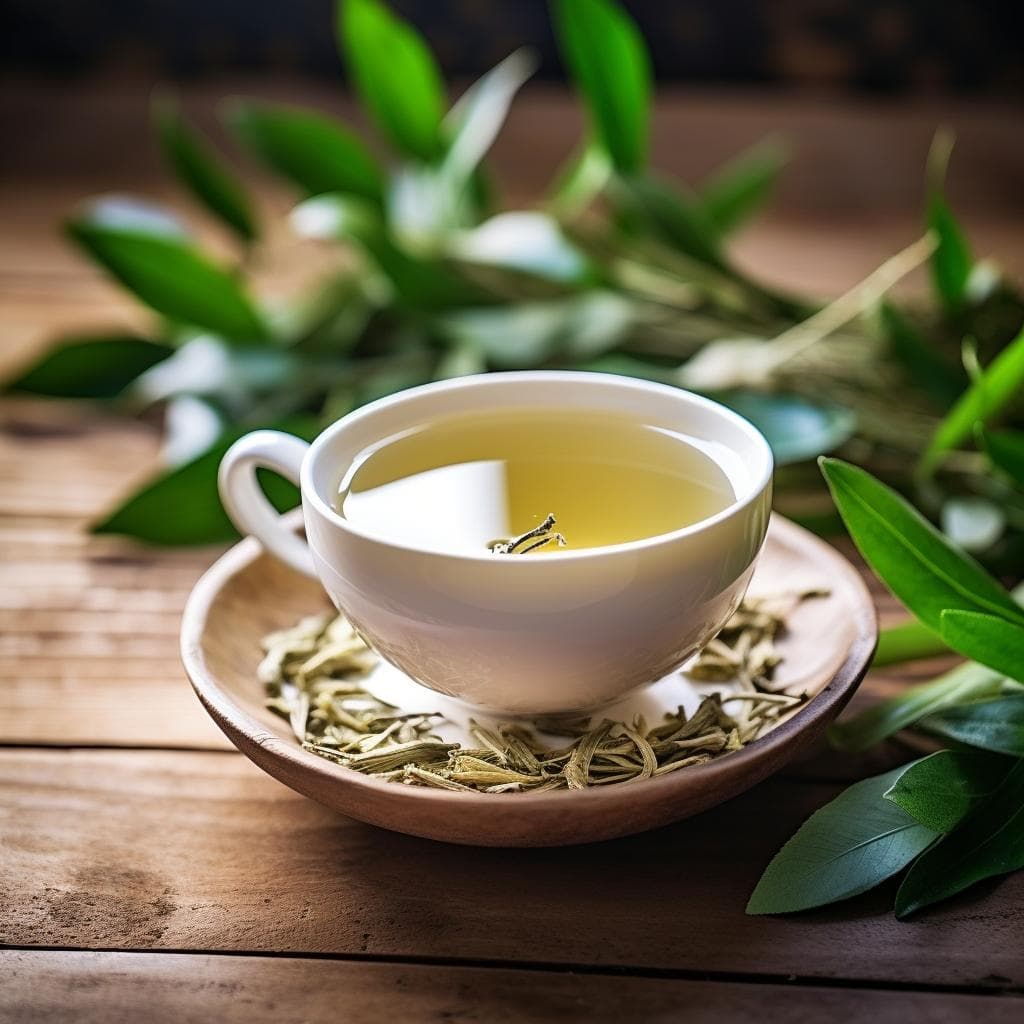
If you're a tea enthusiast or someone who loves exploring different varieties of tea, you might have come across the term "white tea" in your quest for new flavors. While green tea and black tea often take the spotlight, white tea has been gaining popularity in recent years due to its unique taste and potential health benefits. In this article, we will delve into the world of white tea and explore the potential health benefits it offers.
Understanding White Tea
What exactly is white tea? White tea is a type of tea that undergoes minimal processing and is made from the Camellia sinensis plant, the same plant used to produce green tea and black tea. What sets white tea apart is that it is made from the young leaves and buds of the tea plant, which are carefully harvested and dried. The leaves are not oxidized, resulting in a delicate flavor and appearance.
Nutritional Profile of White Tea
White tea is not only a refreshing beverage but also a great source of beneficial compounds for your health. It boasts an impressive nutritional profile that includes high levels of antioxidants, polyphenols, and catechins. Additionally, white tea contains important vitamins and minerals that contribute to overall well-being.
Antioxidants
White tea is rich in antioxidants, such as flavonoids and catechins. These antioxidants help protect the body from harmful free radicals, which can cause cellular damage and contribute to premature aging and chronic diseases.
Polyphenols and Catechins
These plant compounds found in white tea have been associated with various health benefits, including reduced inflammation, improved heart health, and enhanced immune function.
Vitamins and Minerals
White tea contains small amounts of essential vitamins and minerals like vitamin C, vitamin A, manganese, and potassium. While these amounts may not be significant, every bit contributes to a healthy diet.
Potential Health Benefits of White Tea
1. Promotes Cardiovascular Health: Consuming white tea may have a positive impact on cardiovascular health. Studies have suggested that the antioxidants found in white tea can help reduce the risk of heart disease, lower blood pressure, and improve cholesterol levels.
2. Boosts Immune Function: The immune-boosting properties of white tea are attributed to its high antioxidant content. Regular consumption of white tea may enhance the body's natural defense mechanisms, helping to fight against diseases and infections.
3. Supports Weight Management: White tea has been associated with weight management due to its ability to enhance metabolism and promote fat burning. This, in turn, may support weight loss efforts and help prevent obesity-related complications.
4. Protects against Certain Types of Cancer: Several studies have explored the potential anticancer properties of white tea. Researchers have found that the compounds present in white tea can inhibit the growth and spread of cancer cells, particularly in breast, colon, and prostate cancer.
5. Benefits for Skin Health: White tea's antioxidant properties can also benefit the skin. It has been suggested that white tea can protect the skin against harmful UV rays, reduce the risk of skin cancer, and help prevent premature aging, such as wrinkles and age spots.
6. Enhances Mental Well-being: The combination of caffeine and other beneficial compounds in white tea may have positive effects on mental health. It has been shown to improve cognitive function, enhance focus, and potentially reduce the risk of neurodegenerative diseases such as Alzheimer's.
Potential Side Effects and Precautions
While white tea offers numerous potential health benefits, it is important to consider any potential side effects and take necessary precautions. Here are a few things to keep in mind:
* Caffeine content: White tea does contain caffeine, although generally in lower amounts compared to black tea or coffee. Individuals who are sensitive to caffeine should consider consuming white tea in moderation.
* Allergies and sensitivities: Some people may have allergies or sensitivities to tea, including white tea. It is advised to start with small amounts and monitor your body's response. If any adverse reactions occur, it is best to discontinue use and consult a healthcare professional.
* Interactions with medications: White tea may interact with certain medications, particularly those that are metabolized by the liver. If you are taking any medications, it is advisable to consult your healthcare provider before incorporating white tea into your daily routine.
In conclusion, white tea not only provides a unique and delicate flavor but also offers potential health benefits. From promoting cardiovascular health and supporting weight management to protecting against certain types of cancer and improving mental well-being, white tea is truly a beverage worth considering. Remember to consume it in moderation and consult a healthcare professional if you have any concerns or underlying health conditions.
FAQs
Is white tea suitable for everyone?
While white tea is generally safe for consumption, individuals who are sensitive to caffeine or have specific allergies should exercise caution. It is recommended to start with small amounts and observe any adverse reactions.
How should I prepare white tea to maximize its health benefits?
To prepare white tea, use hot water rather than boiling water, as high temperatures can diminish its delicate flavors and potentially reduce the potency of its beneficial compounds. Steep the tea for 2-3 minutes for a lighter flavor or up to 5 minutes for a stronger brew.
Can white tea help with weight loss?
White tea has been found to enhance metabolism and promote fat burning, making it potentially beneficial for weight management. However, it is important to note that weight loss is achieved through a combination of factors, including a balanced diet and regular physical activity.
Are there any other flavors or ingredients that can be added to white tea?
White tea pairs well with a variety of flavors, and you can experiment with additions like lemon, honey, mint, or ginger to enhance its taste. Remember to choose natural flavorings and avoid excessive sugar or artificial additives.
Is there a recommended daily intake of white tea?
There is no specific daily recommended intake for white tea. It is generally safe to consume 1-3 cups of white tea per day, but individual tolerance to caffeine and personal preferences should be considered. Moderation is key.
Remember, while white tea has potential health benefits, it should not replace a varied and balanced diet or replace medical advice. If you have specific health concerns or questions, it is always best to consult with a healthcare professional. Enjoy your cup of white tea and savor its delicate flavors while benefiting from its potential health-promoting properties.
Nutrition Snapshot
Use this table as a practical reference, not as a substitute for the label on a specific product. Brands, recipes, and serving sizes vary widely.
| Option | Typical calories | Sugar or carbs | What to check |
|---|---|---|---|
| Plain brewed tea | 0-5 | 0 g | 20-80 mg caffeine depending on type and brew strength |
| Sweetened or latte-style tea | 60-250+ | 8-35 g | Varies by milk, syrup, and serving size |
| Decaffeinated or herbal option | 0-10 | 0 g | Often caffeine-free, but check labels |
Comparison: Best Uses and Trade-Offs
| Choice | Best use | Main trade-off |
|---|---|---|
| Plain brewed tea | Low-calorie, antioxidant-rich, easy to control strength | Can still contain caffeine and tannins |
| Coffee | Higher caffeine and strong alertness effect | More likely to affect sleep or jitters in sensitive people |
| Sweet tea drinks | Convenient and flavorful | Added sugar can turn a healthy drink into dessert |
Serving Size Guidance
For most adults, 1-3 cups of plain tea per day is a reasonable starting range. Brew strength, caffeine tolerance, sleep schedule, and pregnancy status can change what is appropriate. If the drink is latte-style or sweetened, count the milk, syrup, and sugar as part of the serving.
Who Should Avoid or Limit It
This drink may not be a good fit for people with allergies, medication interactions, digestive sensitivity, or a medically restricted diet. If the beverage is being used to manage a condition rather than simply enjoyed as part of a meal, it is worth checking with a qualified healthcare professional.
Internal Reading Guide
For related context, see Does Green Tea Have Caffeine?, Master the Art of Green Tea Making: Secrets to Brewing the Perfect Cup, What are the different types of herbal tea and their benefits?. These articles help connect this topic with hydration, sugar intake, caffeine, digestion, and condition-specific drink choices.
How to Use This Advice in Real Life
The most useful way to judge a health-focused drink is to look at the whole pattern around it. A drink that is helpful with breakfast can be less helpful if it becomes a large sweetened serving between meals. A beverage with antioxidants can still be a poor daily choice if it carries a heavy sugar load. A drink that is fine for one person may be inappropriate for someone with diabetes, kidney disease, reflux, pregnancy-related restrictions, or medication interactions.
A simple approach is to ask three questions before making it a habit. First, what does this drink replace? If it replaces soda, energy drinks, or heavily sweetened coffee drinks, it may be a clear improvement. Second, what does the label show? Calories, added sugar, sodium, caffeine, and serving size matter more than front-label health language. Third, how does your body respond? Digestion, sleep, blood sugar, blood pressure, and appetite are practical signals that should shape the routine.
For health-focused drinks, the best results usually come from consistency and moderation rather than aggressive use. Drinking more does not guarantee more benefit. In many cases, the healthier pattern is a small serving with a meal, plain water between meals, and whole foods as the main source of fiber, protein, vitamins, and minerals.